








What's Happening?
Tours by Foot, an established walking tour company, is offering a 2-hour Harlem Renaissance & Heritage Walking Tour in New York City. This tour aims to provide participants with an immersive experience into Harlem's rich cultural history, focusing on
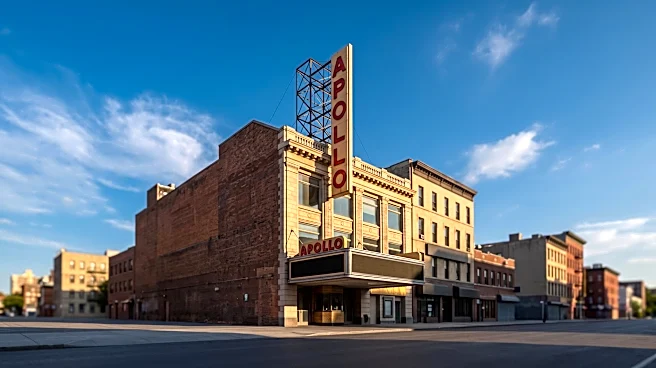
the period when figures like Ella Fitzgerald and Duke Ellington significantly influenced American music, art, and culture. The tour highlights how various factors, including immigration waves, the Great Migration, and cultural movements, shaped this iconic neighborhood. Key landmarks and stories covered include the Schomburg Center for Research in Black Culture, the Abyssinian Baptist Church, Strivers’ Row, Bill’s Place, Sylvia’s Restaurant, Malcolm X Sites, and the Apollo Theater. The tour emphasizes connecting visitors with the people, places, and stories that define Harlem's historical and cultural significance.
Why It's Important?
This walking tour is important as it offers a direct and engaging way for both residents and tourists to understand a pivotal period in U.S. history and culture. The Harlem Renaissance was a transformative movement that profoundly impacted American arts, literature, and civil rights, with its influence still resonating today. By exploring sites connected to this era, participants gain insight into the struggles and triumphs of African American communities and their contributions to the national identity. The tour also supports local tourism and businesses in Harlem, contributing to the economic vitality of the neighborhood. Furthermore, it serves as an educational tool, fostering a deeper appreciation for diversity and the historical narratives that have shaped New York City and the broader United States.
What's Next?
Tours by Foot will continue to offer the Harlem Renaissance & Heritage Walking Tour, providing ongoing opportunities for individuals to engage with this significant historical period. The company's mission to bring cities to life through storytelling suggests a continued commitment to offering culturally rich experiences. Future developments might include expanding the tour's availability, introducing new historical narratives, or collaborating with local Harlem institutions to enhance the visitor experience. The success of such tours could also encourage other cities to develop similar initiatives, promoting historical and cultural education through immersive walking experiences.
Beyond the Headlines
Beyond the immediate experience of the tour, this initiative contributes to the ongoing preservation and recognition of African American history and culture. In an era where historical narratives are increasingly scrutinized and re-evaluated, tours like this play a crucial role in ensuring that the stories of the Harlem Renaissance are not only remembered but also understood in their full context. It fosters a sense of community pride and encourages dialogue about the enduring legacy of systemic challenges and cultural resilience. The tour also subtly highlights the importance of urban exploration as a means of historical education, moving beyond traditional museum settings to engage with history in the very spaces where it unfolded.