
What's Happening?
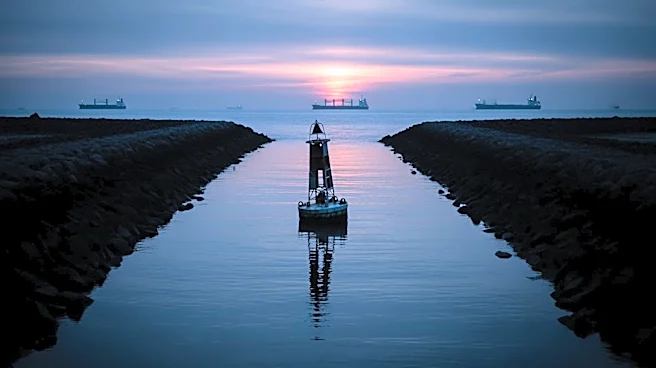
The United States has issued a warning to shipping companies regarding potential sanctions if they pay Iran for safe passage through the Strait of Hormuz. This warning comes from the U.S. Office of Foreign
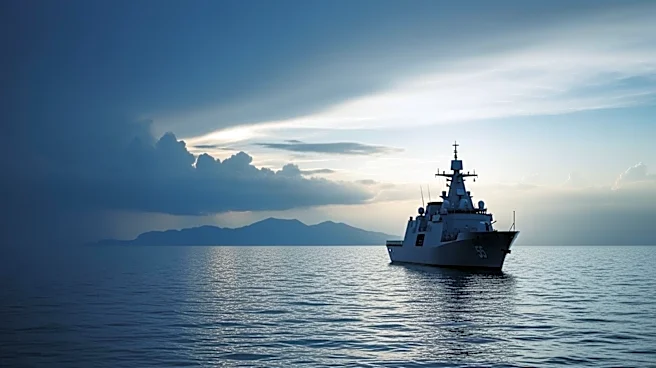
Assets Control, which highlighted that payments could include cash, digital assets, or other forms of compensation. The Strait of Hormuz is a critical maritime passage where a significant portion of the world's oil and natural gas trade occurs. Tensions have escalated as Iran has been accused of closing the strait by threatening and attacking ships following a conflict initiated by the U.S. and Israel. In response, the U.S. has implemented a naval blockade of Iranian ports, aiming to cut off oil revenue crucial to Iran's economy. The situation remains tense as the U.S. Central Command has instructed 48 commercial ships to turn back.
Why It's Important?
The U.S. warning to shipping firms underscores the ongoing geopolitical tensions in the Middle East, particularly concerning Iran's strategic control over the Strait of Hormuz. This area is vital for global energy supplies, and any disruption can have significant implications for international oil markets and global economic stability. The U.S. sanctions aim to pressure Iran economically by restricting its oil revenue, which is a critical component of its national income. This move also reflects the broader U.S. strategy to counter Iran's influence in the region and its alleged support for hostile activities. Shipping companies and global markets are closely monitoring the situation, as any escalation could lead to increased shipping costs and potential supply chain disruptions.
What's Next?
The situation in the Strait of Hormuz is likely to remain a focal point of international diplomatic and military efforts. The U.S. may continue to enforce its naval blockade and sanctions, while Iran might seek alternative routes or allies to mitigate the economic impact. The international community, including major oil-importing countries, will be watching closely for any signs of escalation or resolution. Diplomatic negotiations could be pursued to de-escalate tensions, but the path forward remains uncertain. Shipping companies will need to navigate these geopolitical risks carefully, potentially seeking alternative routes or insurance to mitigate the impact of the ongoing conflict.