


What's Happening?
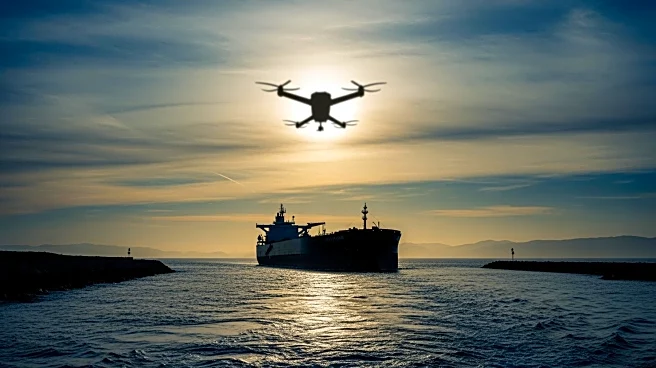
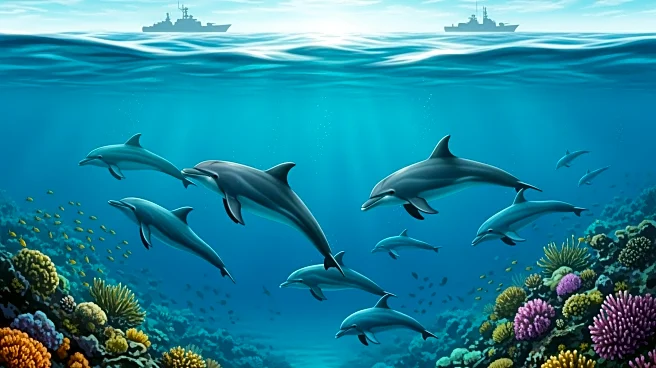
The ongoing conflict in Ukraine has severely impacted the Black Sea's ecosystem, particularly affecting its dolphin population. Ukrainian scientists have been unable to fully assess the damage due to the war, which has led to oil spills, acoustic disturbances
from military sonar, and other pollutants. These factors have contributed to the decline in dolphin numbers, with carcasses regularly washing up along Ukraine's coastline. The war has also hindered efforts to monitor and address these environmental issues, as the region remains dangerous and inaccessible for comprehensive scientific research.
Why It's Important?
The Black Sea is a unique ecosystem, and its health is crucial for biodiversity in the region. Dolphins, being at the top of the food chain, serve as indicators of the sea's ecological state. The decline in their population signals broader environmental degradation, which could have long-term consequences for marine life and human communities relying on the sea. The war has disrupted efforts to achieve EU environmental standards, reversing progress made in recent years. This situation highlights the intersection of geopolitical conflict and environmental conservation, emphasizing the need for peace to enable effective ecological management.
What's Next?
Scientists continue to monitor the situation as best they can, collecting data from dolphin carcasses and sampling pollutants along the coastline. There is hope for rehabilitation of dolphin numbers post-conflict, but this depends on the cessation of hostilities and the return of scientific personnel. The international community may need to support Ukraine in rebuilding its environmental monitoring capabilities and addressing the war's ecological impact. Future efforts will likely focus on restoring the Black Sea's health and preventing further damage from military activities.
Beyond the Headlines
The war's impact on the Black Sea raises ethical questions about the responsibility of nations to protect shared environmental resources during conflicts. It also underscores the vulnerability of ecosystems to human activities, particularly in regions already facing challenges like climate change and pollution. The situation may prompt discussions on international environmental policies and the need for collaborative approaches to safeguard biodiversity in conflict zones.