









What's Happening?
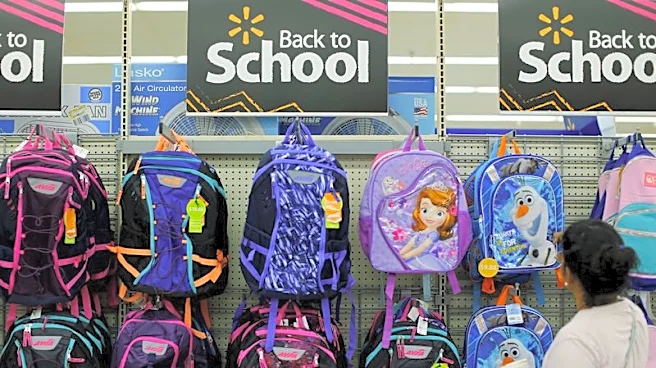
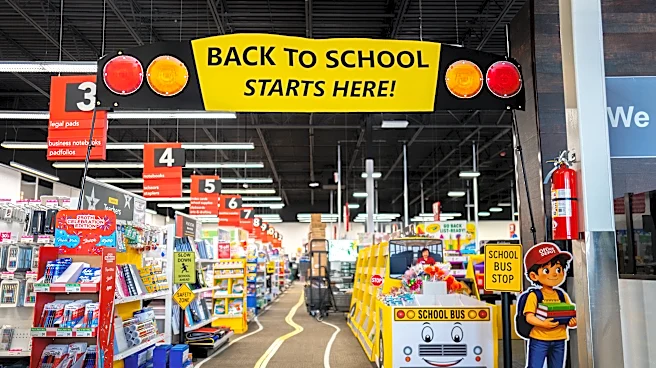
Eighteen U.S. states are implementing sales tax holidays in July and August to alleviate the financial burden of back-to-school shopping. These tax-free periods allow consumers to purchase school-related items such as clothing, shoes, electronics, and supplies
without paying sales tax. The initiative aims to support families facing financial stress due to rising costs. States like Mississippi and Connecticut are among those participating, with specific dates and eligible items varying by state. The tax holidays are part of a broader effort to make education-related expenses more manageable for families, particularly as inflation continues to impact household budgets.
Why It's Important?
Sales tax holidays provide significant financial relief to families, especially those with school-aged children. By reducing the cost of essential school supplies, these tax-free periods help families manage their budgets more effectively. This initiative is particularly crucial in the current economic climate, where inflation and rising costs are major concerns for consumers. The tax holidays also stimulate local economies by encouraging spending, benefiting retailers and businesses. Additionally, the initiative highlights the role of state governments in addressing economic challenges and supporting education, potentially influencing future policy decisions.
What's Next?
As the sales tax holidays unfold, consumer response and spending patterns will be closely monitored. The success of these initiatives could lead to their expansion or adaptation in future years. Retailers may also adjust their marketing strategies to capitalize on the increased consumer activity during these periods. Policymakers will likely evaluate the economic impact of the tax holidays, considering potential adjustments to enhance their effectiveness. The initiative may also prompt discussions on broader tax reforms and support measures for education-related expenses.