






What's Happening?
A popular TikTok influencer, Carlos Eduardo Espina, has partnered with the League of United Latin American Citizens (LULAC) and the Venezuelan American Caucus to establish the 'Doral Family Emergency Fund.' This fund aims to provide financial assistance
to families in Doral, Florida, who have been impacted by the detention or deportation of a parent or primary breadwinner by U.S. Immigration and Customs Enforcement (ICE). Espina initiated the fund with a personal donation of $50,000. The fund will offer grants of up to $1,000 per household to cover essential expenses such as food, rent, utilities, childcare, medication, and school supplies, specifically for families residing in Doral. LULAC will manage the fund's operations, reviewing applications and issuing aid, and is also accepting public contributions via GoFundMe.
Why It's Important?
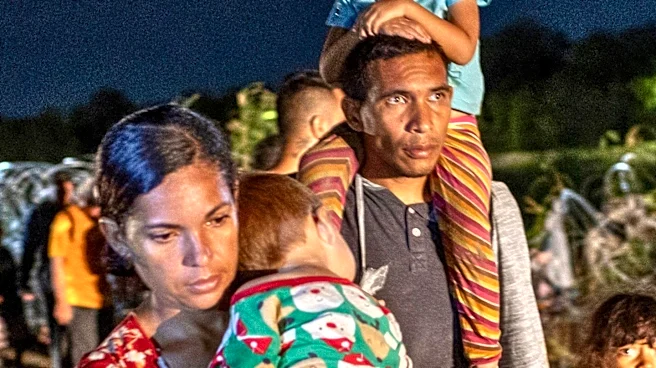
This initiative addresses the immediate and critical financial needs of families facing the economic fallout of ICE arrests and deportations, particularly in communities like Doral, which has a large Hispanic and Venezuelan population. The fund highlights the significant social and economic disruption caused by aggressive immigration enforcement strategies, which can leave families without their main source of income. By providing direct financial aid for basic necessities, the fund aims to mitigate some of the immediate hardships faced by these vulnerable families. The collaboration between a social media influencer and established Hispanic advocacy groups demonstrates a growing trend of leveraging digital platforms for grassroots activism and community support in response to immigration policies. This effort also underscores the broader call for humanitarian support and protection for immigrant families.
What's Next?
The Doral Family Emergency Fund will continue to accept public contributions and process applications from affected families in Doral. The coalition plans to expand its efforts beyond financial relief by offering 'know-your-rights' workshops, local resource referrals, and community outreach. This suggests a broader strategy to empower immigrant communities and provide them with information and support. The success of this local initiative could inspire similar efforts in other communities across the U.S. that are heavily impacted by immigration enforcement. The ongoing high rates of ICE arrests, as reported by the Department of Homeland Security, indicate a continued need for such support systems, especially as policies like the ending of Temporary Protected Status for Venezuelan migrants increase vulnerability.
Beyond the Headlines
This initiative sheds light on the often-overlooked human cost of immigration enforcement, particularly the impact on children and families left behind. The fund's focus on essential needs like food and rent underscores the immediate and tangible consequences of detention and deportation, moving beyond abstract policy debates to address real-world suffering. The involvement of a TikTok influencer also signifies the evolving landscape of advocacy, where digital personalities can mobilize significant resources and attention for social causes. This effort implicitly challenges the narrative that immigration enforcement solely targets individuals who have 'broken the law,' by highlighting the plight of innocent family members. It also brings to the forefront the question of community responsibility and the role of civil society in filling gaps left by government policies, particularly when those policies lead to family separation and economic instability.