What's Happening?
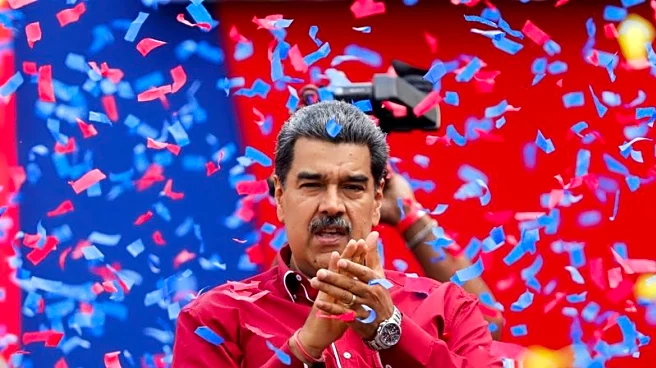
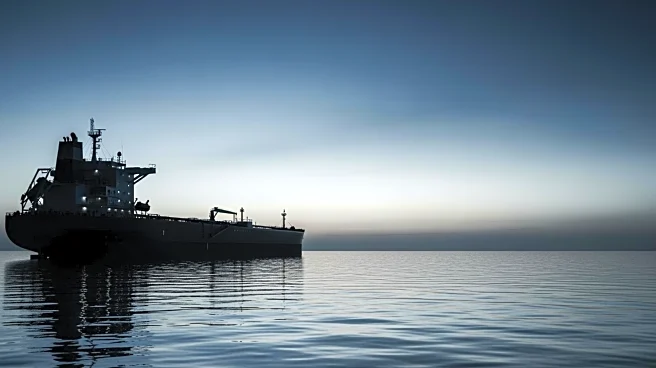
The United States has announced new sanctions targeting Venezuela, specifically focusing on three nephews of President Nicolas Maduro's wife and six crude oil tankers and shipping companies associated with them. This move is part of an intensified effort
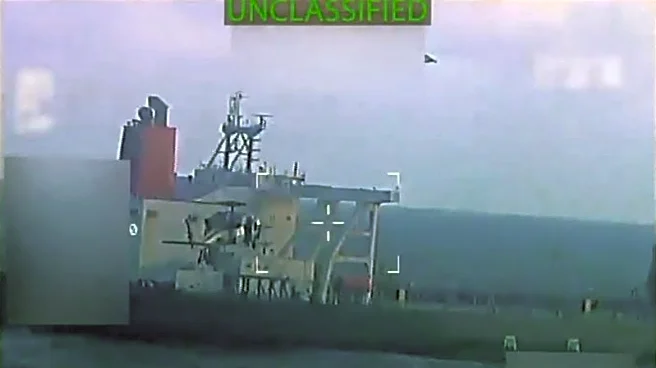
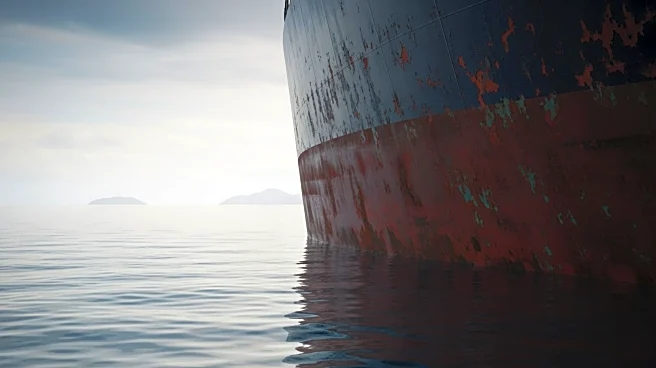
by Washington to apply pressure on Caracas. The U.S. Treasury Department stated that these vessels have been involved in deceptive and unsafe shipping practices, continuing to provide financial resources that support Maduro's regime. The targeted vessels include supertankers that recently loaded crude oil in Venezuela, with four of them being Panama-flagged and the other two flagged by the Cook Islands and Hong Kong. This action is seen as a significant step in the U.S.'s ongoing campaign against Maduro's government.
Why It's Important?
The sanctions are significant as they aim to cut off financial resources to the Maduro regime, which the U.S. accuses of corruption and narco-terrorism. By targeting the shipping companies and vessels, the U.S. is attempting to disrupt Venezuela's oil exports, which are a crucial source of revenue for the country. This could lead to wider price discounts for Venezuelan oil or more flexible terms by PDVSA, the state oil company, to retain customers. The sanctions also serve as a warning to other shipping companies that might consider engaging in similar practices, potentially leading to a decrease in Venezuela's export volumes.
What's Next?
The U.S. may continue to enforce these sanctions by seizing vessels that violate them, as indicated by recent actions. This could further isolate Venezuela economically and increase tensions between Washington and Caracas. The impact of these sanctions will depend on the U.S.'s ability to enforce them and the response from the international community. There is also the potential for further sanctions or actions against other entities involved in Venezuelan oil exports.