







What's Happening?
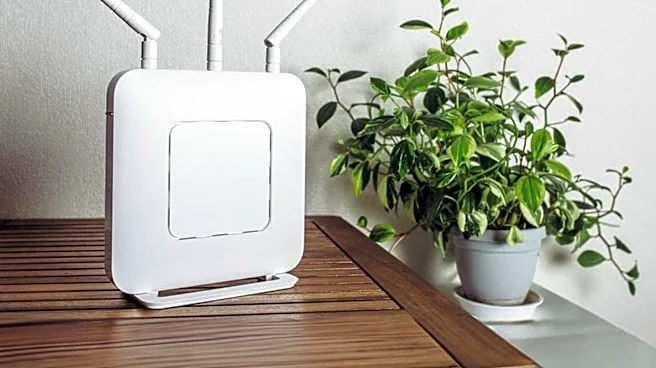
Many households experience weak Wi-Fi signals due to poor router placement, particularly with mesh routers that require strategic positioning. Mesh routers, which use multiple devices to extend coverage, can suffer from performance issues if any device is improperly
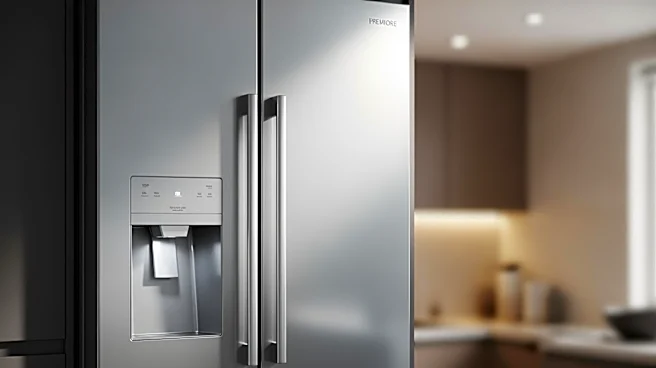
placed. The key to improving Wi-Fi coverage and eliminating dead zones lies in optimal router placement. Experts recommend placing routers in open, elevated, and central locations within the home to maximize signal strength. Additionally, mesh extenders should be positioned strategically to ensure strong connections with the main router, avoiding obstructions like walls and large appliances.
Why It's Important?
Proper router placement is essential for achieving reliable and fast internet connectivity, which is increasingly important as more people work from home and rely on streaming services. Poor Wi-Fi coverage can lead to frustration and inefficiency, impacting productivity and entertainment experiences. By optimizing router placement, households can enhance their internet performance without additional costs, making it a cost-effective solution for improving connectivity. This is particularly relevant as internet usage continues to rise, and consumers seek to maximize the value of their internet plans.
What's Next?
Homeowners are encouraged to assess their current router placement and make adjustments as needed. This may involve experimenting with different locations and using tools like speed tests to evaluate performance improvements. For those with persistent connectivity issues, investing in additional mesh extenders or consulting with internet service providers for potential upgrades may be necessary. As technology evolves, new solutions and devices may become available to further enhance home Wi-Fi networks.
Beyond the Headlines
The issue of Wi-Fi dead zones highlights broader challenges in home networking, such as the need for consumer education on optimizing technology use. It also underscores the importance of infrastructure development to support growing internet demands. As smart home devices become more prevalent, ensuring robust and reliable Wi-Fi coverage will be critical for seamless integration and operation of these technologies.