





What's Happening?
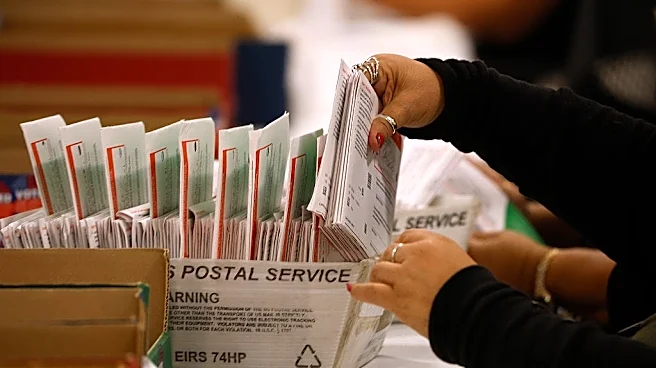
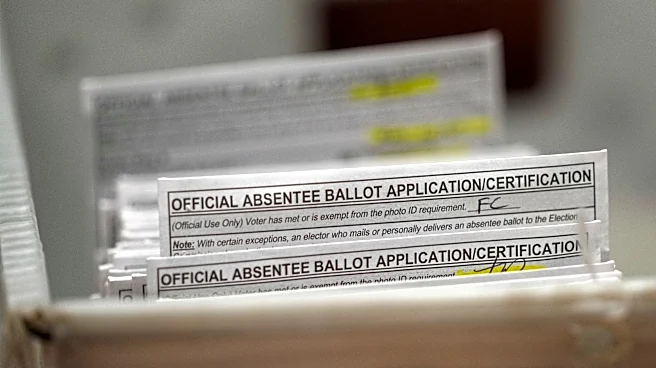
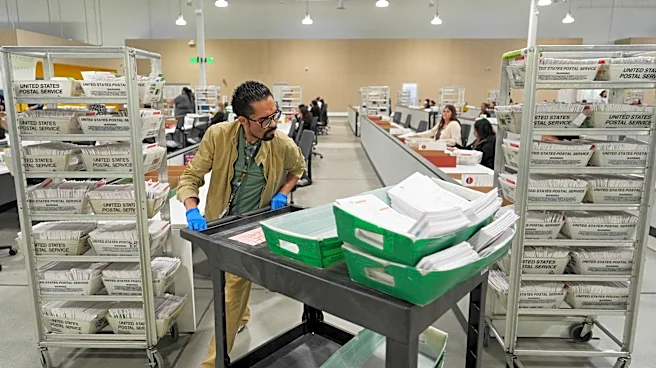
In California's June primary, over 148,000 mail-in ballots were rejected, with more than a third discarded due to late postmarks. This increase in rejections is largely attributed to a recent change in the U.S. Postal Service's (USPS) postmarking policy,
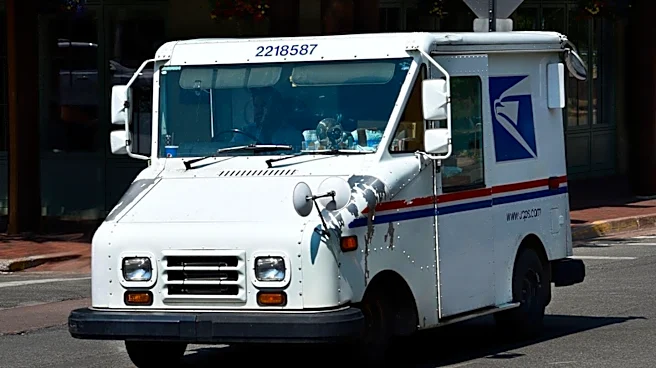
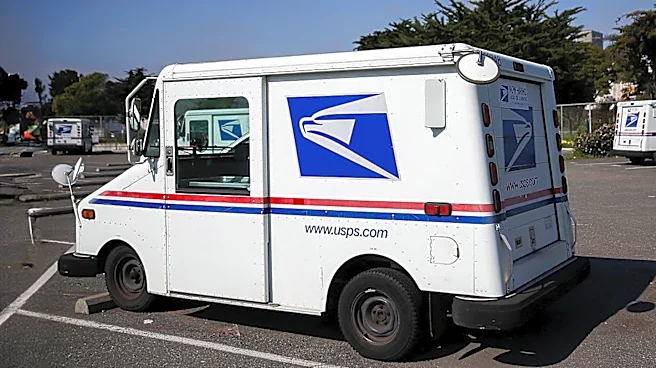
which can delay when a mailpiece receives its postmark. The policy requires customers to request a manual postmark at a Postal Service retail counter to ensure the correct date is applied. Many voters are unaware of this requirement, leading to ballots being postmarked based on processing dates rather than when they were mailed. This issue has sparked political debate, with President Trump criticizing California's counting process.
Why It's Important?
The rejection of a significant number of ballots due to postmarking issues raises concerns about voter disenfranchisement and the reliability of mail-in voting. The USPS policy change could disproportionately affect voters who rely on mail-in ballots, particularly in rural areas. This situation highlights the need for clear communication and voter education to ensure ballots are submitted correctly and counted. The political implications are significant, as late-counted ballots can shift election results and fuel partisan disputes over election integrity.
What's Next?
California election officials may seek to address the challenges posed by the USPS policy change through legislative or administrative measures. This could include efforts to extend the postmark deadline or improve voter education on mailing procedures. The USPS may face pressure to review and adjust its policies to prevent future delays. The situation could also lead to broader discussions on the role of mail-in voting in U.S. elections and the need for federal standards to ensure consistency and fairness.