









What's Happening?
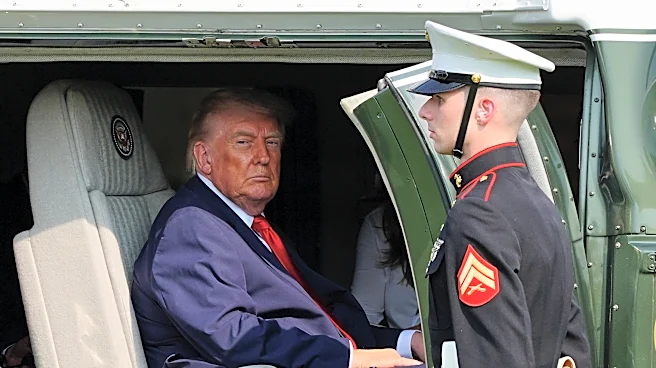
The Trump administration's use of military force, particularly through Operation Southern Spear, has raised questions about accountability for illegal boat strikes targeting alleged 'narco-terrorists.' These strikes, conducted in the Caribbean and eastern
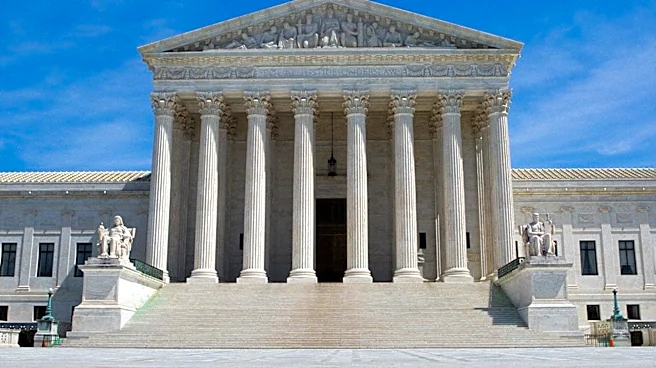
Pacific Ocean, have been criticized as unlawful by national security and military law experts. The strikes are seen as extrajudicial killings, violating domestic and international laws. Despite the Supreme Court's ruling on presidential criminal immunity, military personnel involved in these operations could still face prosecution. The debate centers on who should be held accountable, with a focus on commanders and those in authority.
Why It's Important?
The issue of accountability for military actions underlines the importance of the rule of law and the need for checks on executive power. The strikes have implications for U.S. foreign policy, military ethics, and international human rights standards. Holding military personnel accountable could set a precedent for future administrations and reinforce the principle that unlawful orders must be disobeyed. The situation also highlights the challenges of balancing national security interests with legal and ethical obligations. The outcome of this debate could influence military conduct and the U.S.'s global reputation.
What's Next?
Future administrations may need to address the legal and ethical implications of these strikes, potentially leading to investigations and prosecutions. The military and Department of Justice could face pressure to clarify policies on the use of force and accountability. The debate may prompt legislative action to strengthen oversight and ensure compliance with the law. The resolution of these issues will be critical in shaping U.S. military policy and its adherence to international norms.