







What's Happening?
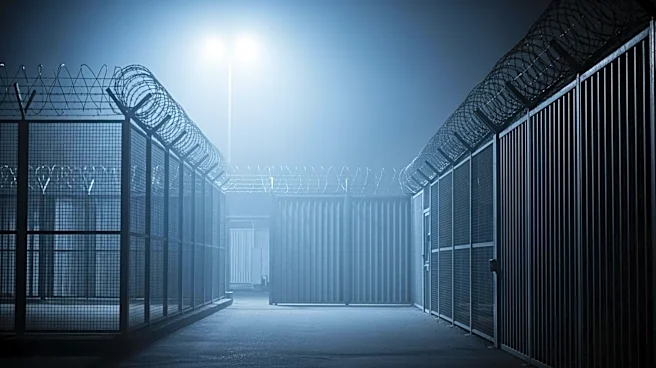
Detainees at Delaney Hall, a detention center in the Northeast, have initiated a hunger strike to protest the lack of access to the legal system and the poor conditions within the facility. The protest, involving about 300 detainees, aims to highlight
the failure of immigration judges to address their cases, leaving them incarcerated without due process. The detainees argue that their rights under the U.S. Constitution are being violated, particularly the 4th, 5th, and 6th Amendments. The protest has drawn attention from lawmakers, with Senator Andy Kim and others being pepper-sprayed during clashes with federal agents. The situation has escalated with New Jersey's Governor deploying state troopers to manage the protests, and the state's attorney general suing the facility's operator for lack of transparency.
Why It's Important?
The protest at Delaney Hall underscores significant issues within the U.S. immigration detention system, particularly concerning due process and humane treatment. The detainees' claims of constitutional violations highlight potential systemic failures in the immigration judiciary, which could have broader implications for U.S. immigration policy and human rights standards. The involvement of state and federal officials, along with legal actions against the facility's operator, indicates a growing scrutiny of private detention centers and their operations. This situation could lead to policy changes or reforms aimed at improving conditions and ensuring legal rights for detainees.
What's Next?
The legal and political responses to the Delaney Hall protest are likely to continue evolving. The lawsuit against the facility's operator may lead to increased inspections and regulatory changes. Additionally, the involvement of state troopers and the potential for further clashes with federal agents could prompt discussions on the jurisdiction and oversight of immigration detention centers. Lawmakers may push for legislative reforms to address the detainees' concerns and improve the overall immigration system. The outcome of these actions could set precedents for how similar situations are handled in the future.