





What's Happening?
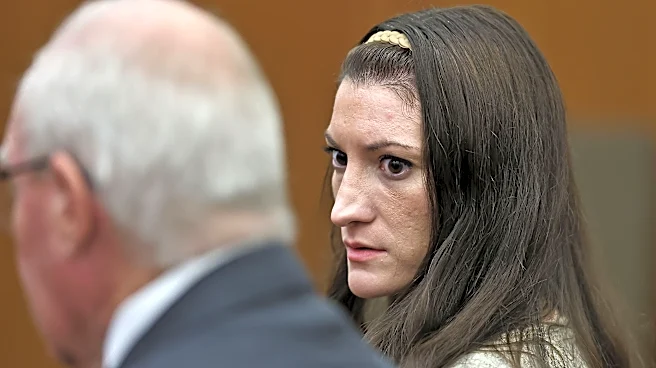
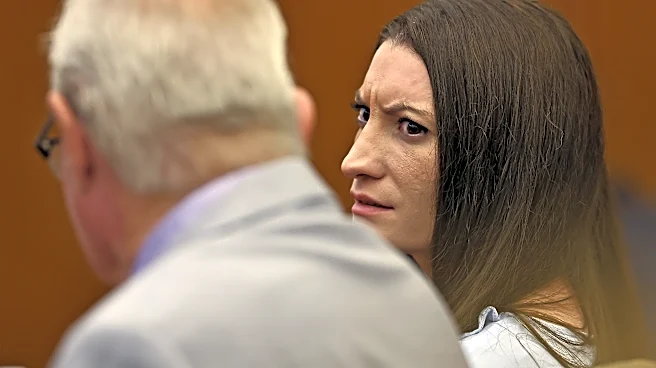
Kimberly Sullivan, a Waterbury woman accused of kidnapping and holding her stepson captive for 20 years, has rejected a plea deal and will proceed to trial. Sullivan faces charges of kidnapping, assault, unlawful restraint, and cruelty to persons. The
state alleges she held her stepson captive in their Waterbury home, providing minimal food. The alleged victim, identified as 'S.', is now in his 30s and weighed 68 pounds when he was rescued after setting the house on fire in an attempt to escape. Attorneys anticipate jury selection to begin in January, with the trial commencing in February. Sullivan's attorney, Ioannis Kaloidis, maintains her innocence, stating that the picture painted at trial will be very different from current perceptions. The judge confirmed Sullivan understood the implications of rejecting the plea, which could result in a sentence of over 45 years if convicted.
Why It's Important?
This case has garnered global attention due to the severe nature and duration of the alleged captivity. The decision to go to trial means the public will hear direct testimony from the alleged victim for the first time, which is crucial for understanding the full scope of the alleged abuse. The trial will also test the legal system's ability to prosecute such complex and long-standing cases of alleged domestic abuse and confinement. The outcome could set precedents for how similar cases are handled and may influence public awareness and policy regarding child protection and intervention in cases of suspected long-term abuse. The high-profile nature of the trial will likely keep the spotlight on issues of hidden abuse and the challenges of detection and intervention.
What's Next?
Jury selection for Kimberly Sullivan's trial is expected to begin in January, with the trial itself commencing in February. The alleged victim, 'S.', plans to testify, detailing his experiences over the two decades of alleged captivity. His attorney, Gene Riccio, stated that 'S.' is making progress in his recovery and is determined to seek justice. Sullivan's attorney, Ioannis Kaloidis, has indicated that he does not anticipate requesting a change of venue despite the case's publicity. The trial will involve a six-person jury and is expected to last approximately three weeks. A pre-trial hearing is scheduled for October 20. The judge has denied a request to remove Sullivan's GPS ankle monitor, citing the severity of the potential sentence if she is convicted.
Beyond the Headlines
The Kimberly Sullivan case delves into profound ethical and societal questions surrounding domestic abuse, the vulnerability of victims, and the failures of systems designed to protect them. The alleged 20-year captivity raises concerns about how such prolonged abuse can go undetected within a community and highlights the potential for extreme isolation. It also brings to light the psychological impact on victims of long-term abuse and the arduous journey of recovery. The trial will not only determine Sullivan's guilt or innocence but also serve as a stark reminder of the hidden suffering that can occur behind closed doors. The case may prompt discussions about the need for increased vigilance, community awareness, and more robust social services to identify and intervene in similar situations, potentially leading to policy reforms aimed at preventing such prolonged abuse.