

What's Happening?
President Trump recently addressed the American public, asserting that his administration is effectively reducing inflation and that prices are 'coming down tremendously.' However, economic data presents a more nuanced picture. Inflation has indeed decreased
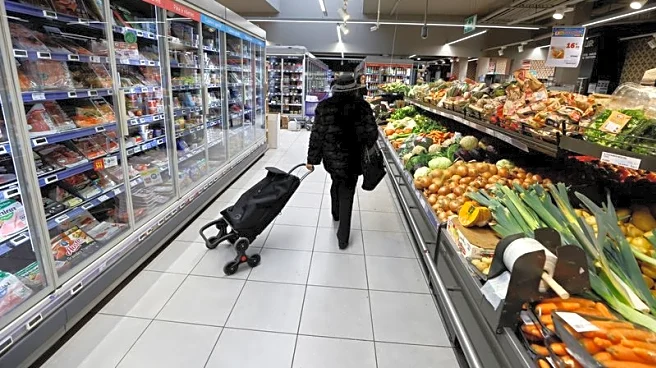
from a 40-year high of about 9% in June 2022, but it remains a concern. As of September, inflation was at an annual rate of 3%, with some analysts predicting a continued rise. The Trump administration's tariffs on imports have been identified as a contributing factor to the recent uptick in inflation. Despite the administration's claims, many Americans are experiencing higher costs for essentials like food and housing. For instance, grocery prices have increased by 2.7% over the past year, and housing affordability remains a significant issue, with most homes out of reach for typical buyers.
Why It's Important?
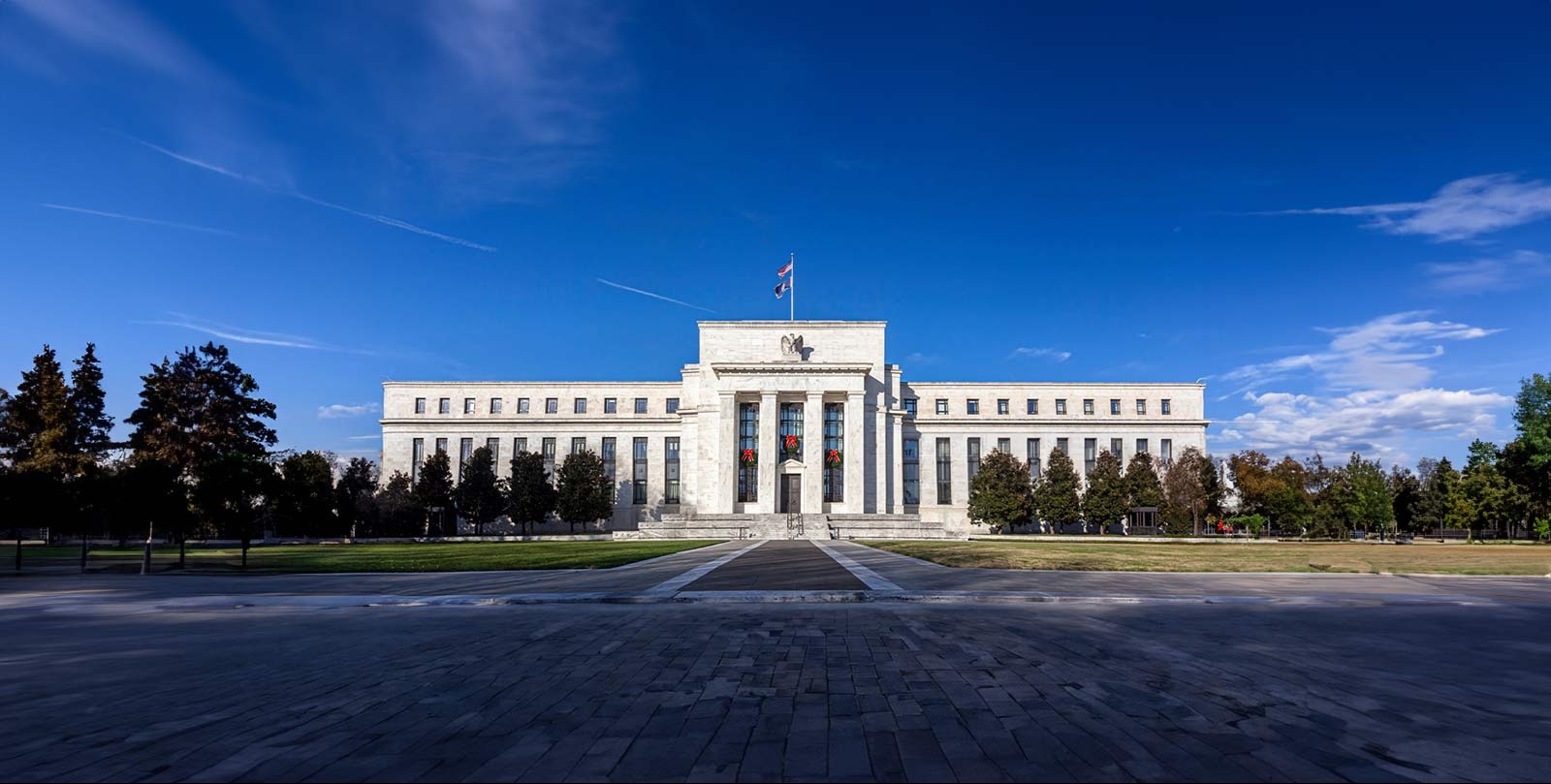
The ongoing inflationary pressures have significant implications for the U.S. economy and its citizens. Rising prices affect consumer purchasing power, leading to increased financial strain on households. The administration's economic policies, including tariffs, are under scrutiny as they contribute to inflationary trends. The Federal Reserve's response, including interest rate adjustments, will be crucial in managing inflation. Additionally, the political landscape is influenced by these economic conditions, as affordability becomes a key issue in upcoming elections. The administration's ability to address these challenges will impact public perception and voter behavior.
What's Next?
Looking ahead, the Federal Reserve anticipates that the inflationary effects of tariffs will be temporary, with expectations for inflation to ease in 2026. The administration is likely to continue promoting its economic policies as beneficial for reducing inflation and increasing wages. However, the effectiveness of these measures will be closely monitored by economists and the public. Political leaders, including those in opposition, may use the current economic conditions to critique the administration's handling of the economy, potentially influencing policy debates and electoral outcomes.