



What's Happening?
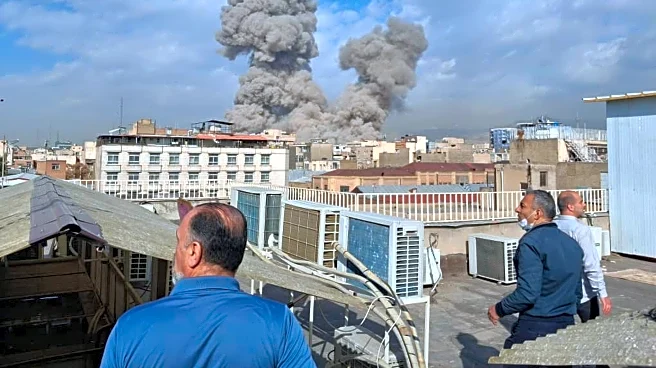
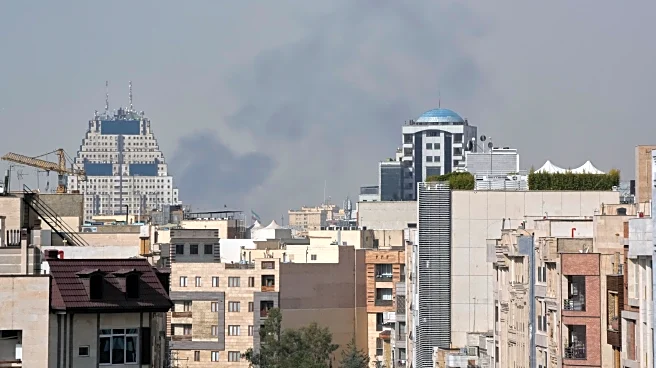
The United States and Israel conducted coordinated military strikes across Iran, leading to significant geopolitical tensions. According to reports, the strikes resulted in the death of Iranian Supreme Leader Ayatollah Ali Khamenei, as confirmed by Iranian state
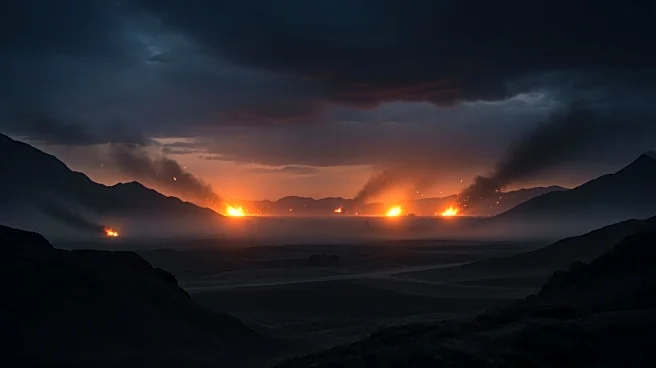
media. Israeli Prime Minister Benjamin Netanyahu announced that Khamenei's compound in Tehran was destroyed in a 'powerful, surprise strike.' In retaliation, Iran launched missiles and drones targeting Israel and four Gulf Arab countries that host US military bases, including Bahrain, Kuwait, Qatar, and the UAE. This development marks a significant escalation in the ongoing conflict between Iran and the US-Israel alliance.
Why It's Important?
The joint military action by the US and Israel against Iran represents a critical escalation in Middle Eastern tensions, with potential global implications. The death of Ayatollah Ali Khamenei could lead to a power vacuum in Iran, potentially destabilizing the region further. The retaliatory strikes by Iran on US allies in the Gulf highlight the risk of a broader conflict that could disrupt global oil supplies and impact international markets. This situation underscores the fragile nature of Middle Eastern geopolitics and the potential for rapid escalation into wider conflict, affecting global security and economic stability.
What's Next?
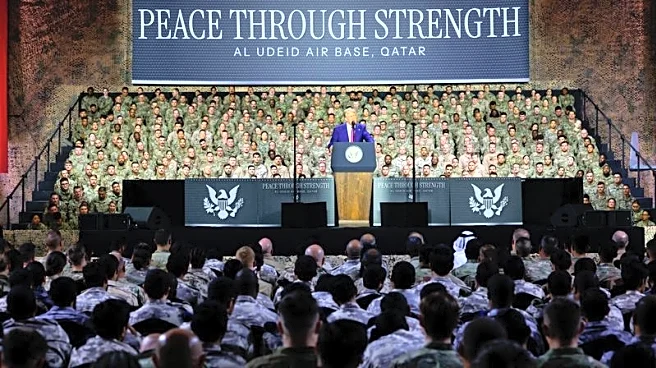
The immediate aftermath of these strikes is likely to involve heightened military readiness among US and Israeli forces, as well as their allies in the Gulf. Diplomatic efforts may intensify to prevent further escalation, with potential involvement from international bodies such as the United Nations. The situation could lead to increased sanctions on Iran or calls for negotiations to de-escalate tensions. Regional powers and global stakeholders will be closely monitoring the situation, as any further military actions could have significant repercussions for international peace and security.
Beyond the Headlines
The death of Ayatollah Khamenei could lead to significant internal political shifts within Iran, potentially affecting its domestic and foreign policies. The strikes may also influence public opinion in the region, potentially leading to increased anti-US and anti-Israel sentiment. This development could also impact the global oil market, as any disruption in the Gulf region can lead to fluctuations in oil prices, affecting economies worldwide. The situation highlights the complex interplay of military, political, and economic factors in the Middle East.