







What's Happening?
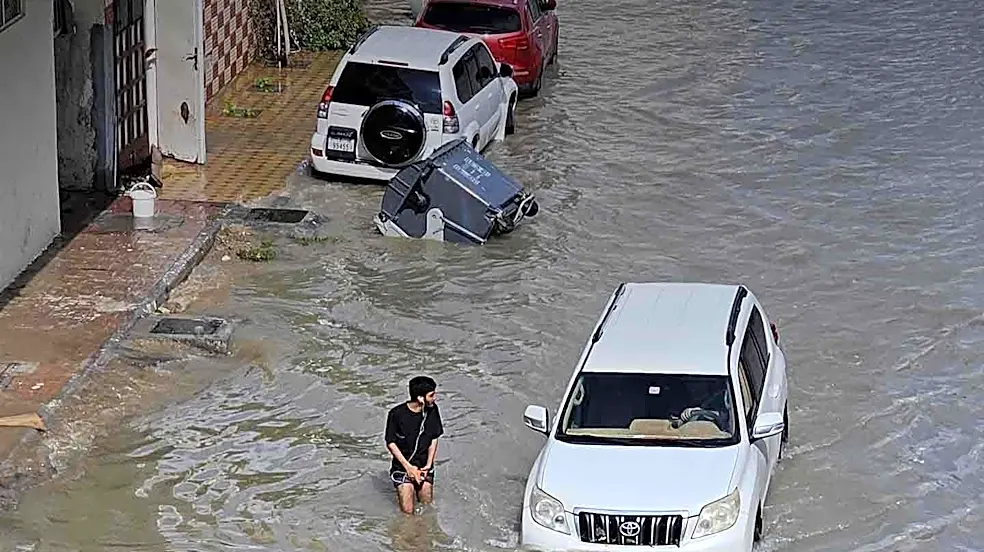
The International Organization for Migration (IOM) has issued a warning that nearly 874,319 people in Somalia could be displaced between October and December due to severe flooding, with 92% of projected displacements attributed to this cause. This forecast
comes as Somalia enters a rainy season expected to bring above-normal rainfall, exacerbated by strengthening El Niño conditions. Rising river levels are already being observed in areas like Dollow and Jowhar, and heavy rainfall has caused damage and displacement in Baidoa. Despite the escalating threat, IOM has only secured approximately 14.4% of the required $16.62 million needed to prepare for and respond to El Niño-related flooding. This funding is crucial for supporting over 517,000 people in flood-prone communities, but shortages are limiting efforts to establish safe relocation areas and provide essential services like shelter, clean water, sanitation, and healthcare.
Why It's Important?
This impending humanitarian crisis in Somalia, driven by climate-related flooding and compounded by severe funding shortages, has significant implications. For the U.S. and the international community, it represents a growing challenge in managing global humanitarian aid and disaster response. The displacement of nearly a million people will exacerbate existing vulnerabilities in a region already struggling with drought and previous displacements, potentially leading to increased food insecurity, health crises, and instability. The lack of adequate funding for preparedness and early action means that the response will likely be more costly and less effective once the floods occur. This situation highlights the broader issue of climate change impact on vulnerable nations and the critical need for consistent international support to prevent humanitarian catastrophes, which can have long-term geopolitical and economic consequences, including potential migration flows and regional destabilization.
What's Next?
IOM is urgently calling for increased international support to scale up preparedness and early action before the anticipated floods force more families from their homes. The immediate focus is on securing the remaining funding to establish safe relocation areas and provide essential services. Efforts will continue to strengthen early warning systems and identify safer evacuation routes in collaboration with Somali authorities and local communities. As the rainy season progresses, monitoring river levels and rainfall will be critical to trigger timely responses. Without a significant increase in funding, the humanitarian community anticipates a severe crisis, with widespread displacement, destruction of livelihoods, contamination of water sources, and disruption of healthcare access, further deepening humanitarian needs in communities already affected by successive climate shocks.
Beyond the Headlines
The recurring cycle of climate-induced disasters in Somalia, coupled with insufficient international funding, points to a deeper systemic issue of climate justice and global responsibility. The ethical dimension is stark: communities that have contributed least to climate change are bearing its most severe consequences, while the resources for adaptation and relief are inadequate. This situation also highlights the limitations of reactive humanitarian aid versus proactive climate resilience building. The long-term implications include potential for increased radicalization and conflict as resources become scarcer and populations are repeatedly displaced, creating fertile ground for instability. Furthermore, the strain on international aid organizations could lead to a re-evaluation of funding mechanisms and the need for more sustainable, predictable financial commitments to address climate-induced humanitarian crises globally, rather than relying on ad-hoc appeals.