





What's Happening?
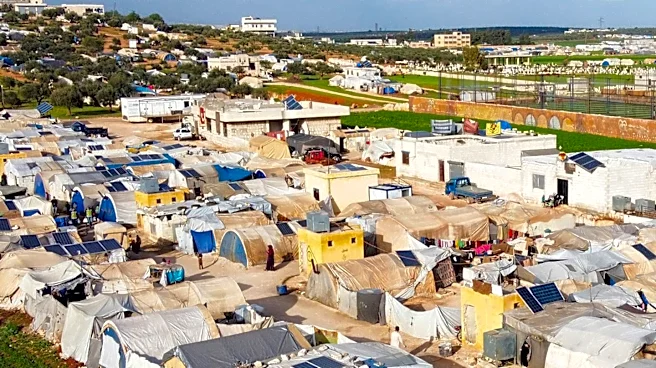
The International Rescue Committee (IRC), founded in 1933 at the behest of Albert Einstein, is actively engaged in responding to humanitarian crises worldwide. Operating in over 40 countries and 29 U.S. cities, the IRC focuses on restoring health, safety,
education, economic well-being, and empowerment to individuals affected by conflict and disaster. The organization emphasizes innovation, agility, and strong partnerships to deliver effective humanitarian aid. Its operations include rapid emergency responses, providing life-saving assistance, early recovery, and stabilization support. The IRC also works to strengthen communities and help people reclaim control of their futures. The organization adheres to core values such as Integrity, Service, Equality, and Accountability, as outlined in its 'IRC Way – Standards for Professional Conduct,' and enforces policies on Safeguarding, Conflicts of Interest, Fiscal Integrity, and Reporting Wrongdoing and Protection from Retaliation.
Why It's Important?
The IRC's extensive operations are crucial for addressing the complex challenges faced by vulnerable populations globally and within the United States. By providing comprehensive support, from emergency relief to long-term community strengthening, the IRC plays a vital role in mitigating the human cost of conflict and disaster. Its presence in 29 U.S. cities highlights its commitment to supporting refugees and immigrants within the country, contributing to their integration and well-being. The organization's focus on core values and professional standards ensures accountability and ethical conduct in humanitarian efforts, which is essential for maintaining trust and effectiveness in a sector often scrutinized for its impact and resource management. The IRC's commitment to innovation and partnerships also fosters more efficient and adaptable responses to evolving humanitarian needs.
What's Next?
The IRC will continue its efforts in leading rapid emergency responses and providing life-saving assistance, early recovery, and stabilization support in various global contexts. The organization is committed to strengthening its ability to operate safely and effectively in volatile environments through surge capacity, systems development, and expert technical leadership. Furthermore, the IRC plans to increase funding channeled to local actors in emergencies, aiming to foster equal partnerships and empower communities to drive lasting change. The organization will also continue to develop and adapt humanitarian access, safety, and security systems and practices, ensuring that its operations reach the most affected and least-served populations. Ongoing efforts will include promoting critical reflection, power sharing, debate, and objectivity among its staff to deliver the best possible services to its clients.
Beyond the Headlines
The IRC's work extends beyond immediate aid, addressing the deeper societal and ethical implications of humanitarian crises. By focusing on restoring 'power to people,' the organization aims to empower individuals to rebuild their lives and communities, fostering long-term resilience rather than just providing temporary relief. This approach acknowledges the inherent dignity and agency of those affected by conflict and disaster. The emphasis on ethical conduct, safeguarding, and accountability within the IRC's professional standards reflects a broader commitment to responsible humanitarian action, aiming to prevent harm and ensure that aid is delivered equitably and effectively. The organization's engagement in U.S. cities also highlights the ongoing need for support and integration services for refugee and immigrant populations, underscoring the domestic dimension of global humanitarian challenges.