







What's Happening?
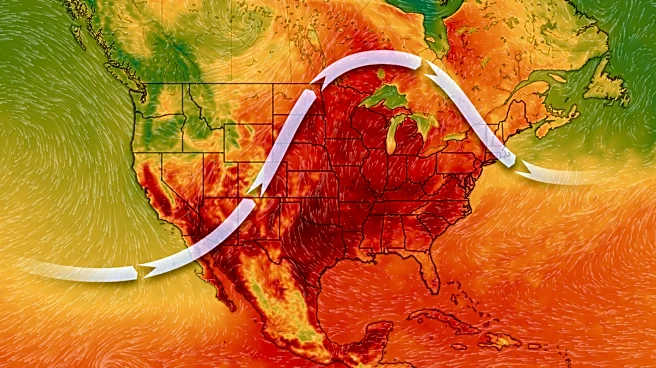
North Texas is experiencing a significant heat wave, with temperatures expected to rise into the upper 90s by late afternoon and heat index values reaching triple digits. The region is under the influence of a high-pressure ridge, which is causing hot,
humid, and windy conditions that are expected to persist through the end of the month. Winds from the south are contributing to the heat, with gusts reaching up to 35 mph. The ridge is anticipated to shift slightly eastward during the week, which may reduce wind speeds by Thursday. However, the southerly flow will continue to bring moisture into the area, maintaining high heat index values. Meteorologist Lauren Bostwick advises residents to stay hydrated and take breaks in air-conditioned environments, especially with the Fourth of July weekend expected to be particularly hot.
Why It's Important?
The ongoing heat wave in North Texas poses significant health risks, particularly for vulnerable populations such as the elderly and those with pre-existing health conditions. The high temperatures and humidity can lead to heat-related illnesses, including heat exhaustion and heat stroke. The situation underscores the importance of public health advisories and the need for community support systems to ensure the safety of residents. Additionally, the persistent heat can strain local infrastructure, including power grids, as demand for air conditioning increases. This scenario highlights the broader implications of climate patterns and the need for adaptive measures to mitigate the impact of extreme weather events.
What's Next?
As the heat wave continues, local authorities and meteorologists will likely issue further advisories to help residents cope with the extreme temperatures. There may be increased efforts to provide cooling centers and other resources for those without access to air conditioning. The situation also calls for heightened awareness and preparedness for potential power outages due to increased energy consumption. Looking ahead, the region may need to consider long-term strategies to address the challenges posed by recurring heat waves, including infrastructure improvements and community education on heat safety.