







What's Happening?
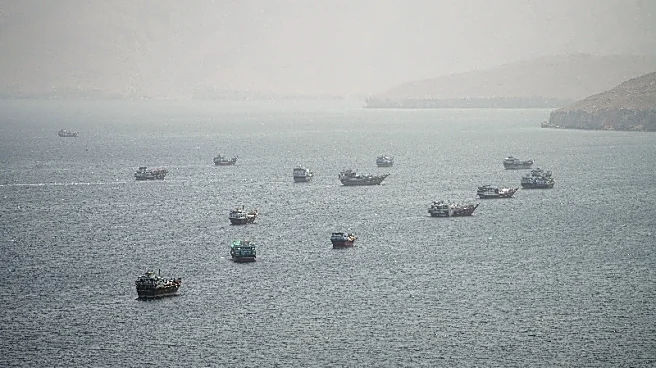
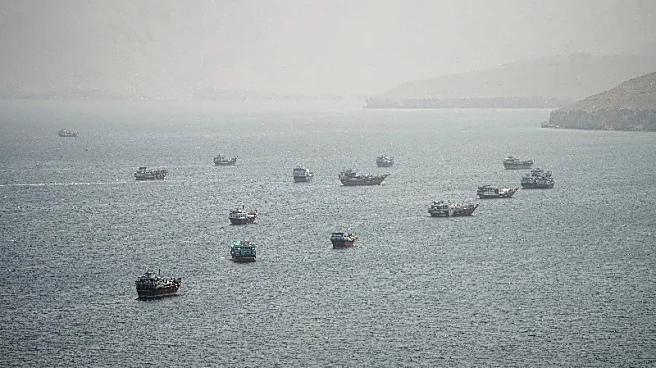
Human Rights Watch (HRW) stated on Tuesday that recent attacks by Houthi forces on commercial vessels in the Red Sea and Gulf of Aden likely amount to war crimes in at least three instances. These attacks followed the Houthis' July 20 announcement of a 'naval
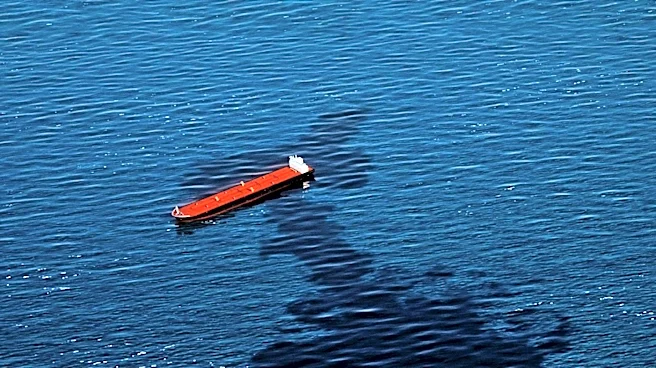
blockade' on Saudi Arabia, which they claimed was in response to a Saudi 'air and sea blockade' of Yemen. HRW identified four confirmed attacks involving the Inceyilia, Daisy, Tehama, and Amzan. Evidence reviewed by HRW, including Houthi statements and vessel information, suggests that the Houthis knew, or should have known, that the Inceyilia, Daisy, and Amzan were commercial ships with civilian crews. While the Houthis claimed the Tehama was carrying Saudi military equipment, Yemen's Transport Ministry stated it was a civilian commercial vessel carrying food supplies, and its cargo could not be independently verified. One attack on the Tanzanian-flagged cargo ship Tehama resulted in the deaths of four crew members and two Yemeni coast guard rescuers, with at least 10 others injured. HRW emphasized that international humanitarian law protects civilians and civilian objects from attack and requires parties to a conflict to verify military targets and minimize civilian harm.
Why It's Important?
The HRW report underscores the severe humanitarian and legal implications of the ongoing conflict in the Red Sea and Gulf of Aden. The potential classification of these attacks as war crimes highlights a critical violation of international humanitarian law, which mandates the protection of civilians and civilian infrastructure during armed conflict. Such actions not only endanger the lives of seafarers and disrupt global shipping but also set a dangerous precedent for the conduct of hostilities. The targeting of commercial vessels, especially those carrying civilian crews or essential supplies like food, can exacerbate humanitarian crises in already vulnerable regions. For the U.S. and its allies, these incidents pose challenges to maritime security and freedom of navigation, potentially necessitating increased naval presence or diplomatic interventions to safeguard international trade routes and uphold international law. The lack of accountability for these actions could embolden non-state actors and further destabilize a strategically vital waterway, impacting global supply chains and economic stability.
What's Next?
Human Rights Watch has called on the Houthis to immediately and unconditionally cease all unlawful attacks on civilian vessels in the Red Sea and Gulf of Aden. The international community will likely continue to monitor the situation closely, with potential for increased diplomatic pressure and calls for investigations into these alleged war crimes. Depending on the Houthis' response and the continuation of such attacks, there could be further actions from international bodies or individual nations aimed at ensuring maritime security and enforcing international law. This might include enhanced naval patrols, sanctions, or other measures to deter future attacks. The ongoing conflict in Yemen and the broader regional tensions will continue to influence the dynamics of these maritime incidents. The focus will remain on protecting civilian lives and ensuring the safe passage of commercial shipping through these critical waterways.
Beyond the Headlines
The HRW report delves into the complex ethical and legal dimensions of modern warfare, particularly concerning non-state actors and their adherence to international humanitarian law. The deliberate or reckless targeting of civilian vessels and crews raises profound questions about accountability in conflicts where traditional state-on-state rules of engagement are blurred. The difficulty in independently verifying the cargo of vessels, as seen with the Tehama, highlights the challenges in assessing proportionality and military necessity in real-time conflict situations. This situation also underscores the broader impact of regional conflicts on global commerce and the interconnectedness of international security. The long-term implications could include a re-evaluation of maritime security protocols, increased insurance costs for shipping in high-risk areas, and a renewed focus on diplomatic efforts to resolve underlying conflicts that fuel such attacks. The call for an end to unlawful attacks is not just about immediate safety but about upholding the foundational principles of humanity in warfare.