


What's Happening?
The Centers for Disease Control and Prevention (CDC) has issued a level 2 travel advisory, urging travelers to ensure their polio vaccinations are current. This advisory comes in response to the detection of poliovirus in several countries across Africa,
the Middle East, and Europe over the past year. The countries affected include Afghanistan, Algeria, Angola, Benin, Burkina Faso, Cameroon, Central African Republic, Chad, Côte d'Ivoire, Democratic Republic of the Congo, Djibouti, Ethiopia, Finland, Gaza, Germany, Ghana, Guinea, Israel, Niger, Nigeria, Pakistan, Papua New Guinea, Poland, Senegal, Somalia, South Sudan, Spain, Sudan, Tanzania, United Kingdom, Yemen, and Zimbabwe. Polio is a serious disease that can lead to paralysis or death, particularly if it affects the respiratory muscles. The virus primarily spreads through contaminated food or water, often due to inadequate hand hygiene.
Why It's Important?
This advisory is significant as it highlights the ongoing global health risks associated with polio, a disease that has been largely eradicated in the United States due to widespread vaccination. The resurgence of poliovirus in various regions poses a threat to international travelers, who may inadvertently bring the virus back to the U.S., potentially leading to outbreaks. Ensuring vaccinations are up to date is crucial for preventing the spread of this debilitating disease. The advisory underscores the importance of maintaining high vaccination rates to protect public health and prevent the re-establishment of polio in areas where it has been eliminated.
What's Next?
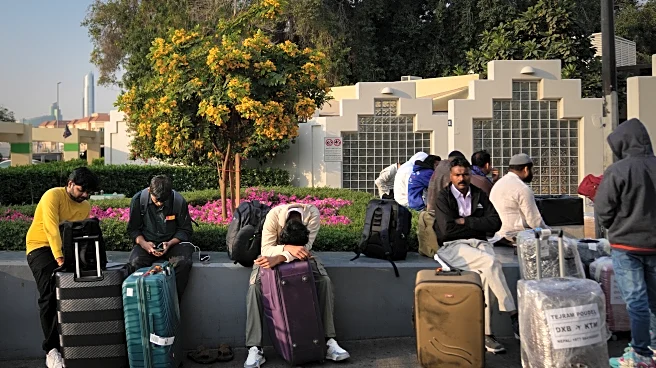
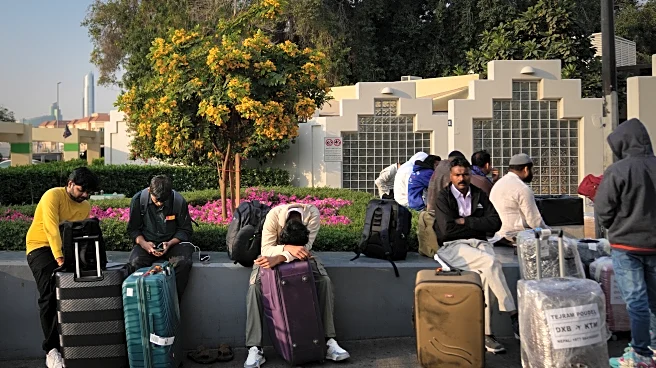
Travelers planning to visit the affected countries are advised to verify their vaccination status and receive any necessary booster shots before departure. The CDC recommends that adults who have completed the polio vaccine series consider a lifetime booster if traveling to regions with active poliovirus circulation. Public health officials will likely continue to monitor the situation closely and may update travel advisories as needed. Increased awareness and vaccination efforts are expected to play a critical role in controlling the spread of the virus.