








What's Happening?
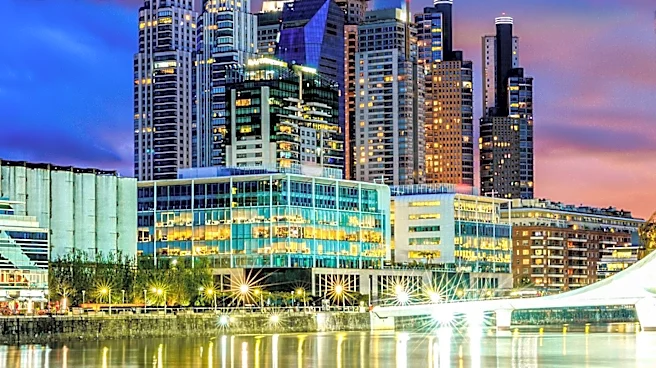
Buenos Aires, Argentina's capital, is a vibrant and cosmopolitan city known for its extensive array of attractions, including monuments, churches, museums, art galleries, theaters, squares, parks, and gardens. The city is large, prompting advice for travelers
to select itineraries based on their available time. Specific neighborhoods like Caballito are highlighted as part of the Buenos Aires experience. For international travelers, Buenos Aires is generally considered relatively safe, provided basic awareness is exercised. The most common crimes affecting tourists are pickpocketing and bag snatching, particularly in crowded areas and popular tourist spots like Palermo, Recoleta, and San Telmo. These neighborhoods often have a visible police presence, especially in the evenings. Residential burglaries and vehicle theft are more prevalent in suburban and middle-class areas. While rare, express kidnappings can occur in specific urban contexts where victims are forced to withdraw cash from ATMs. Domestic flights connect Buenos Aires to major regional hubs, and international arrivals at Ezeiza International Airport should anticipate formal customs inspections.
Why It's Important?
The safety and appeal of Buenos Aires as a tourist destination have significant implications for the travel and tourism industry, both locally in Argentina and for international tour operators. A reputation for safety, coupled with diverse cultural offerings, can attract more visitors, boosting local economies through spending on accommodation, dining, entertainment, and local services. Conversely, concerns about petty crime, even if relatively low-level, can deter some travelers, impacting tourism revenue. The emphasis on traveler awareness and precautions underscores the shared responsibility between authorities and visitors in maintaining a safe environment. For U.S. travelers, understanding these dynamics is crucial for planning secure and enjoyable trips, influencing their choice of destinations and travel insurance needs. The city's ability to manage and mitigate crime directly affects its global standing as a desirable tourist hub, influencing travel advisories and the perception of Argentina as a whole.
What's Next?
Authorities in Buenos Aires are likely to continue implementing and refining security measures in tourist-heavy areas, potentially increasing police patrols and public awareness campaigns to combat pickpocketing and bag snatching. Travelers can expect ongoing advice to remain vigilant, use hotel safes for valuables, carry minimal cash, and utilize registered taxis or ride-hailing apps, especially after dark. The aviation authority, ANAC, will maintain rigorous safety checks for domestic carriers, and international arrivals at Ezeiza International Airport will continue to undergo formal customs inspections, with potential secondary screenings for luggage. Tourists are advised to keep documentation for high-value items to simplify export regulations. The city's tourism board will likely continue promoting its diverse attractions while also subtly reinforcing safety guidelines to ensure a positive visitor experience and sustain its appeal as a leading South American destination.
Beyond the Headlines
The narrative around safety in Buenos Aires reflects a broader challenge faced by major global cities: balancing vibrant urban life with effective crime prevention, particularly for tourists who may be perceived as vulnerable targets. The prevalence of pickpocketing and bag snatching, while not violent, can significantly impact a visitor's perception of a city and their overall travel experience, potentially leading to long-term reputational damage. This situation also highlights the evolving nature of urban crime, where opportunistic offenses often target individuals using visible technology like smartphones. The advice to use hotel safes and carry minimal valuables points to a need for travelers to adapt their habits to local conditions, fostering a sense of personal responsibility alongside official security efforts. Furthermore, the distinction between tourist-heavy areas and suburban neighborhoods in terms of crime types underscores the complex socio-economic factors that influence urban safety patterns.