
What's Happening?
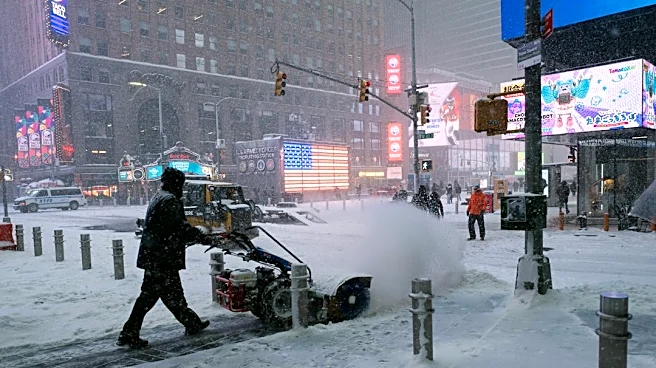
A storm system originating from the Gulf of Alaska is forecast to impact Southcentral Alaska, including Anchorage and the Matanuska Valley, from late Monday into Tuesday. The National Weather Service has issued advisories warning of mixed precipitation,
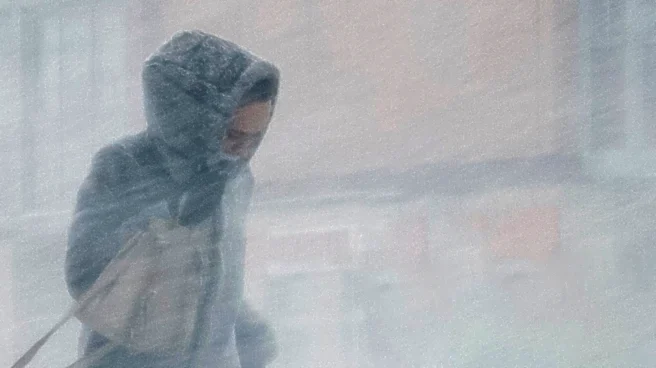
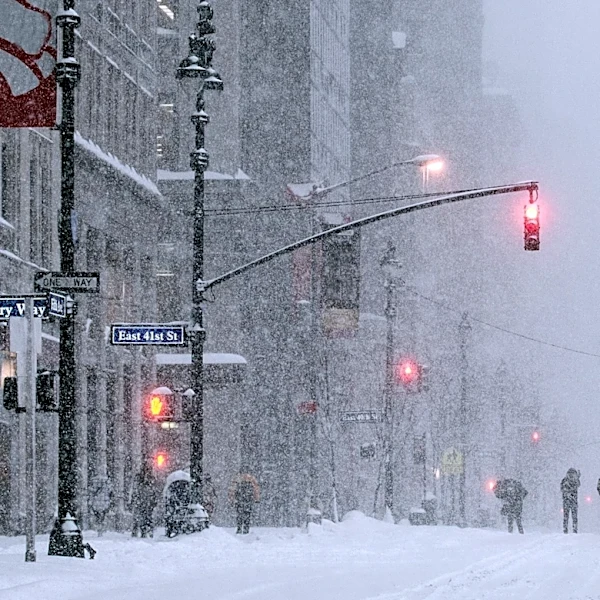
which will include up to an inch of snow, a layer of ice, and wind gusts potentially reaching 50 mph in parts of the Matanuska Valley. Initially, light snow is expected Monday afternoon, followed by a dry period. Overnight, the snow is predicted to transition into freezing rain before becoming all rain by Tuesday morning. This weather event is anticipated to create hazardous travel conditions, particularly affecting the Tuesday morning commute.
Why It's Important?
This storm is significant for residents and infrastructure in Southcentral Alaska. The combination of snow, ice, and strong winds poses considerable risks to daily life and public safety. Hazardous travel conditions could lead to increased traffic accidents, delays, and disruptions for commuters, businesses, and schools. The potential for freezing rain and ice accumulation could also result in power outages, as ice can weigh down power lines and tree branches. For industries reliant on transportation, such as shipping and logistics, the storm could cause delays and increased operational costs. Local emergency services will likely face increased demand due to weather-related incidents, impacting resource allocation. The severity of the weather could also affect local commerce, with potential closures or reduced customer traffic.
What's Next?
Residents in Southcentral Alaska should prepare for difficult travel conditions, especially during the Tuesday morning commute. The National Weather Service's advisory is in effect from 11 p.m. Monday until 9 a.m. Tuesday for Anchorage and the Matanuska Valley. Authorities will likely issue further updates and advisories as the storm progresses. Local transportation departments will be monitoring road conditions and may deploy plows and de-icing equipment. Power companies will be on standby to address potential outages. Individuals are advised to monitor local news for the latest weather information, adjust travel plans as necessary, and take precautions to ensure personal safety and property protection.
Beyond the Headlines
The recurring nature of severe winter weather in Alaska highlights the ongoing challenges faced by communities in maintaining infrastructure and ensuring public safety in extreme conditions. These events often test the resilience of local emergency response systems and the adaptability of residents. Beyond immediate disruptions, frequent severe weather can contribute to wear and tear on roads and public utilities, necessitating continuous investment in maintenance and upgrades. The economic impact extends beyond immediate losses, potentially influencing insurance rates and long-term planning for businesses and residents. Furthermore, such weather patterns underscore the importance of robust communication systems to disseminate timely warnings and ensure public preparedness.