




What's Happening?
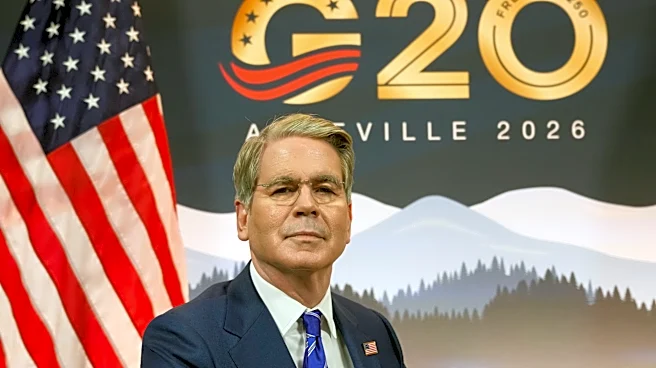
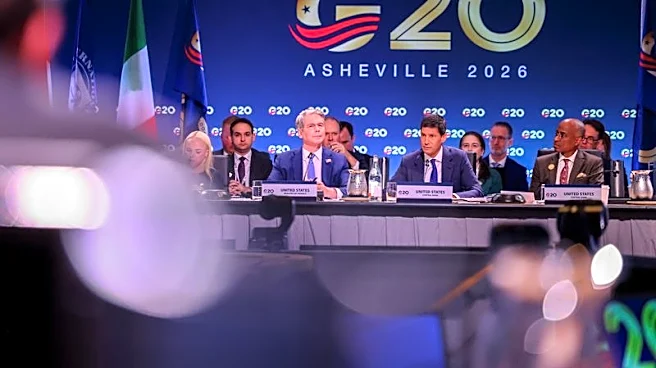
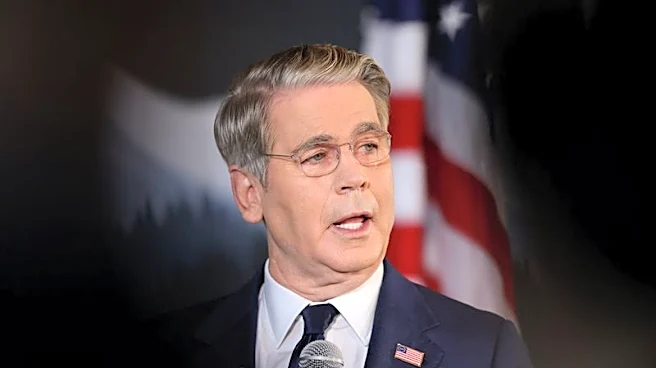
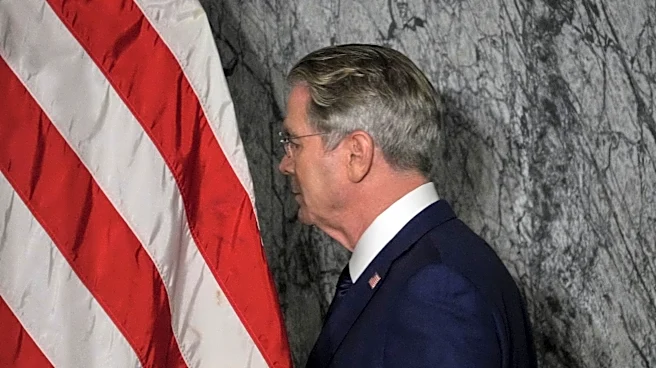
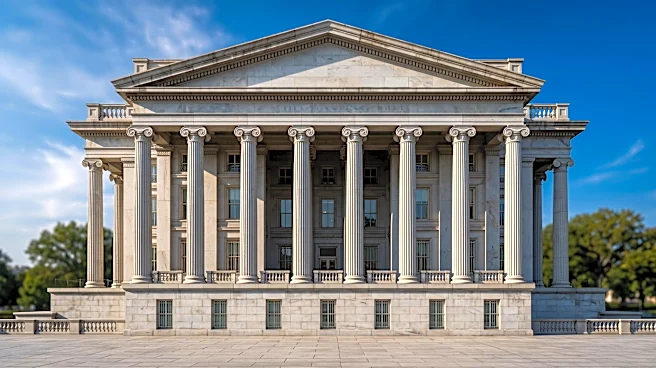
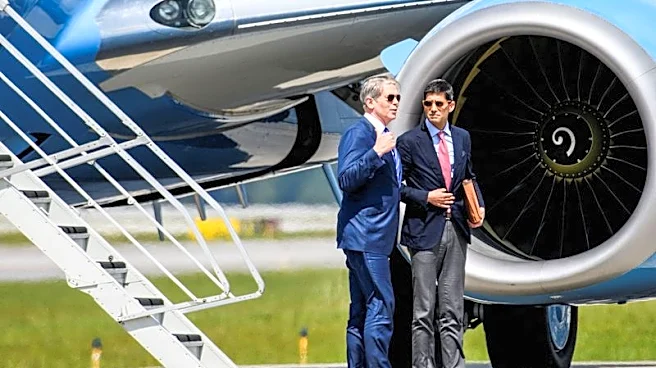
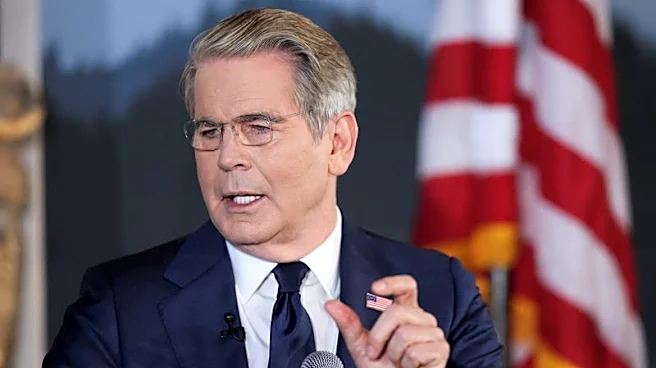
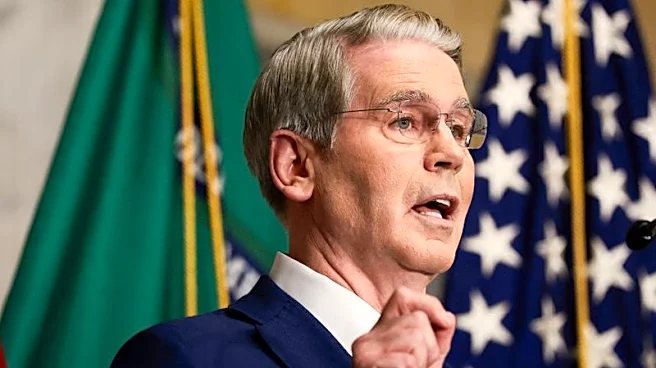
U.S. Treasury Secretary Scott Bessent is utilizing the G20 meeting in Asheville, North Carolina, to advocate for increased international pressure on Iran. Bessent announced 'Operation Economic Outcast' on August 24, an initiative aimed at severing Iran's
financial networks globally. This campaign seeks to cut off revenue streams, prevent sanctions evasion, and undermine Iran's military and security apparatus. The operation targets financial channels and other networks Iran uses for international money movement, including increased sanctions risks involving digital assets, technology, gold, aviation, and shipping. Bessent has warned foreign financial institutions that facilitating Iranian transactions could jeopardize their access to the U.S. financial system, stating that any entity involved in money laundering for Iran will be removed from the U.S. dollar system. The G20, established in 1999, is an international forum for major advanced and emerging economies to discuss and coordinate economic policy, representing approximately 85% of global GDP and two-thirds of the world's population. The Asheville meetings include the Finance and Central Bank Deputies Meeting and the Finance Ministers and Central Bank Governors Ministerial. While President Trump is expected to host the G20 Leaders' Summit in Miami in December, he is not slated to attend the Asheville events.
Why It's Important?
The U.S. Treasury's intensified campaign against Iran, spearheaded by Secretary Bessent at the G20, signifies a significant escalation in economic diplomacy. By leveraging the G20 platform, the U.S. aims to garner international support for its sanctions regime, potentially impacting global financial institutions and trade relationships. The threat of removal from the U.S. dollar system for entities dealing with Iran could force difficult choices for countries and businesses with economic ties to Tehran, potentially disrupting existing trade routes and financial flows. This move underscores the Trump administration's strategy of using economic pressure as a core component of its national security policy, particularly concerning Iran's nuclear and missile programs. The focus on cutting off financial lifelines could further isolate Iran economically, but it also poses a challenge to G20 members with differing economic interests, such as China, a major economic partner of Iran. The broader G20 agenda also includes discussions on global economic growth, energy production, manufacturing, technology, and financial reforms, all of which are critical for U.S. economic stability and international trade.
What's Next?
The immediate focus will be on whether Secretary Bessent can successfully persuade other G20 members to align with the U.S. campaign against Iran, especially given competing economic interests among member states. The U.S. Treasury has indicated a 'cure period' for countries to adjust their financial dealings with Iran before facing penalties, suggesting a window for diplomatic engagement and compliance. Further sanctions and actions against financial institutions found to be facilitating Iranian transactions are likely if compliance is not met. The ongoing G20 meetings will also continue to address broader economic issues, including global debt, trade imbalances, and the promotion of economic growth. The U.S. will push for G20 members to re-examine trade terms with China to address its trade surplus and encourage a rebalancing of its economy towards domestic consumption. The outcomes of these discussions could influence international financial regulations, trade policies, and the global economic landscape, with potential implications for U.S. businesses and consumers.
Beyond the Headlines
The U.S. Treasury's aggressive stance on Iran at the G20 meeting highlights a deeper geopolitical tension and the increasing weaponization of financial systems in international relations. The strategy of threatening access to the U.S. dollar system underscores the immense power of the U.S. in global finance and its willingness to use this leverage to achieve foreign policy objectives. This approach could set precedents for how the U.S. addresses other geopolitical challenges, potentially leading to a more fragmented global financial system if countries seek alternatives to the U.S. dollar to avoid such pressures. Furthermore, the decision to host the G20 meetings in Asheville, North Carolina, also serves a domestic purpose, showcasing the region's recovery from Hurricane Helene and emphasizing the administration's commitment to local revitalization. This blend of international diplomacy with domestic messaging reflects a comprehensive approach to governance, where global events are strategically linked to national interests and local concerns.