







What's Happening?
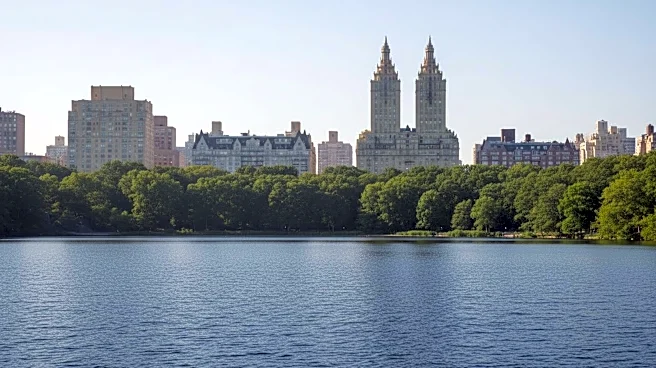
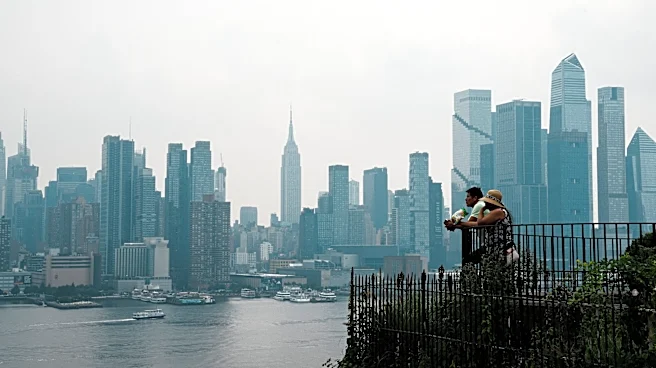
New York City is currently dealing with a new cluster of Legionnaires' disease cases on the Upper East Side, identified during an intense heatwave with temperatures reaching 110 to 115 degrees. This outbreak follows a previous deadly incident in Central
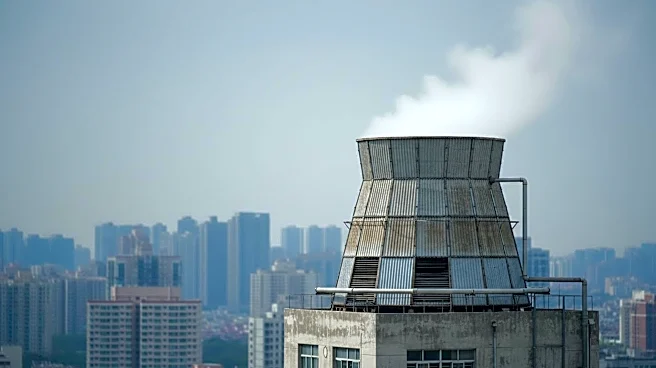
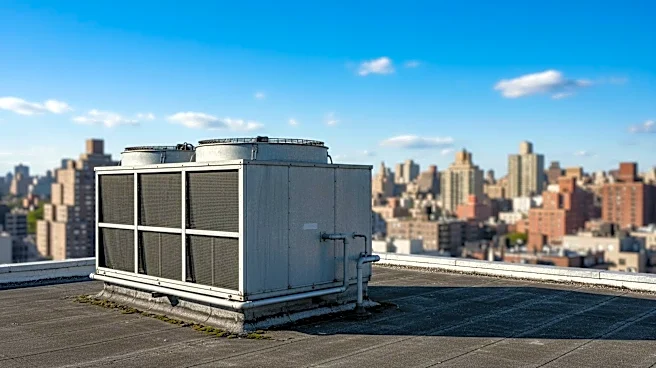
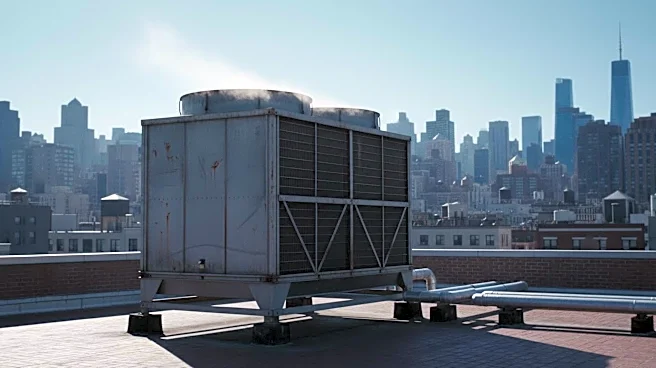
Harlem last summer. The city's Department of Health and Mental Hygiene has been criticized for its slow pace in inspecting cooling towers, which are crucial in preventing the spread of Legionella bacteria. As of May 2026, over 20% of building owners had not submitted required test results for Legionella, and inspections have been significantly lower compared to previous years. The health department is actively inspecting cooling towers in the affected areas, with Health Commissioner Alister Martin personally informing residents about the potential spread of the disease.
Why It's Important?
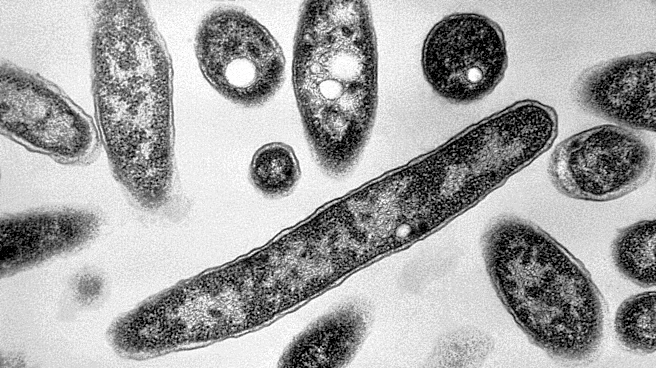
The spread of Legionnaires' disease in New York City highlights significant public health challenges, particularly in the context of climate change and urban infrastructure management. The disease, which can cause severe pneumonia, thrives in warm, stagnant water, making cooling towers a critical point of concern. The city's struggle to maintain regular inspections and testing due to staffing and budget constraints poses a risk to public health, especially during heatwaves that exacerbate the conditions for bacterial growth. This situation underscores the need for robust public health policies and infrastructure investment to prevent future outbreaks and protect vulnerable populations.
What's Next?
The New York City Health Department is expected to continue its inspections of cooling towers, particularly in the areas affected by the latest outbreak. Building owners may face increased scrutiny and potential fines for non-compliance with testing regulations. The city may also need to address staffing and budget issues to ensure more consistent and comprehensive inspections. Public health officials and policymakers might consider revising regulations to enhance preventive measures against Legionnaires' disease, especially in light of climate change-related challenges.
Beyond the Headlines
The recurring outbreaks of Legionnaires' disease in New York City raise broader questions about urban planning and public health preparedness in the face of climate change. The increasing frequency and intensity of heatwaves could lead to more widespread and severe outbreaks of vector-borne diseases. This situation calls for a reevaluation of current health policies and infrastructure resilience, emphasizing the importance of integrating climate adaptation strategies into urban health management.