




What's Happening?
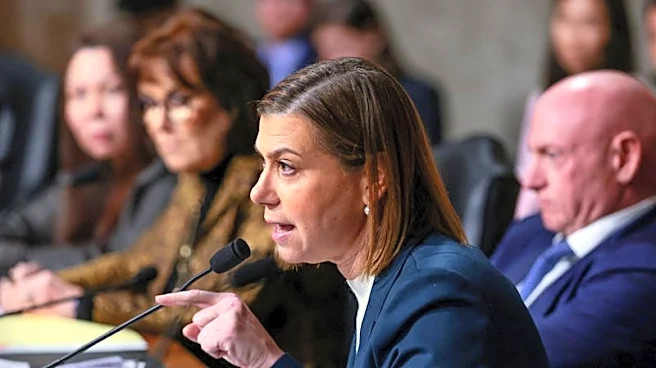
Senator Maggie Hassan (D-NH) has raised concerns regarding a 30-second television advertisement praising President Trump, which was paid for with federal tax dollars. The ad, which has been airing on Fox News and Newsmax, features depictions of President Trump and the
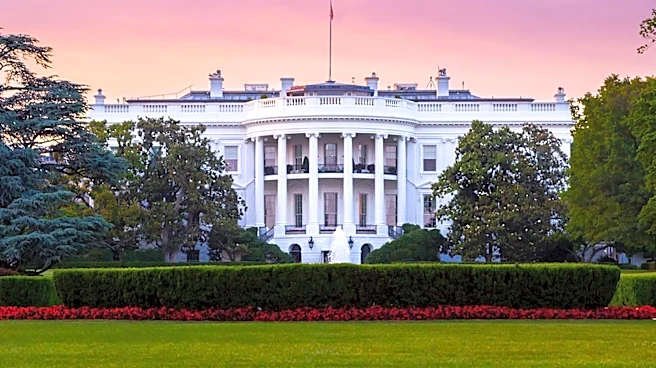
U.S. military, a pledge to “defeat communism, socialism and Marxism,” and a voiceover from Dana White, president of the UFC, commending the president. At the conclusion of the ad, a message indicates that the U.S. government funded it. Senator Hassan sent a letter to the White House, specifically to the president’s chief of staff, Susie Wiles, requesting detailed information about the ad's funding source and expenditures. She argues that the ad lacks a clear governmental purpose and may violate federal regulations that prohibit the use of public funds for general propaganda efforts designed to benefit a political party or candidate. The White House has defended the ad, describing it as an “educational and unapologetically patriotic” public service announcement, and stated that previous presidents have also released public service announcements. However, Senator Hassan notes that past public service announcements were typically tied to specific policy initiatives, unlike the current ad which appears to focus on promoting President Trump's perceived successes.
Why It's Important?
This situation highlights a critical debate over the appropriate use of taxpayer funds by the executive branch, particularly concerning the line between public service announcements and political promotion. If the ad is found to violate federal regulations, it could set a precedent for stricter oversight on government-funded communications and potentially lead to legal challenges regarding the misuse of public resources. For taxpayers, it raises questions about accountability and transparency in government spending, especially when funds are used for content that could be perceived as partisan. For the White House, the defense of the ad as a public service announcement underscores a broader strategy to communicate the administration's achievements, but it also risks alienating those who view such efforts as self-serving or politically motivated. The involvement of a sitting Senator in questioning the legality of these ads emphasizes the checks and balances within the U.S. political system and the role of Congress in scrutinizing executive actions. This issue could also influence future guidelines and legislation concerning government advertising and public information campaigns.
What's Next?
Senator Hassan's inquiry demands detailed information from the White House regarding the funding source and expenditures for the advertisement. The White House is expected to provide a response, which will likely include a justification for the ad's content and funding. Depending on the information provided, Senator Hassan and other lawmakers may pursue further actions, such as initiating investigations, proposing new legislation to clarify rules on government advertising, or even seeking legal remedies if they believe federal laws have been violated. Public and media scrutiny of the ad's content and funding is also likely to continue, potentially influencing public opinion on the administration's use of taxpayer money. The outcome of this dispute could lead to a re-evaluation of existing regulations governing government communications and potentially result in clearer guidelines for what constitutes an acceptable public service announcement versus political propaganda. This could also prompt other government agencies to review their own communication strategies to ensure compliance with federal laws.
Beyond the Headlines
Beyond the immediate legal and political implications, this controversy touches upon the broader issue of trust in government and the integrity of public information. In an era of heightened political polarization and concerns about misinformation, the use of taxpayer funds for ads perceived as self-promotional can erode public confidence in government institutions. It raises questions about the ethical boundaries of executive power and the potential for administrations to leverage public resources for political gain, even when an election is not immediately pending. The debate also highlights the evolving nature of political communication, where traditional public service announcements can be blurred with campaign-style messaging. This could lead to a re-examination of the role of government in shaping public narratives and the need for robust mechanisms to ensure impartiality and accountability. Ultimately, the resolution of this issue could contribute to a more transparent and ethically sound framework for government communications, reinforcing democratic principles and safeguarding against the misuse of public trust.