
What's Happening?
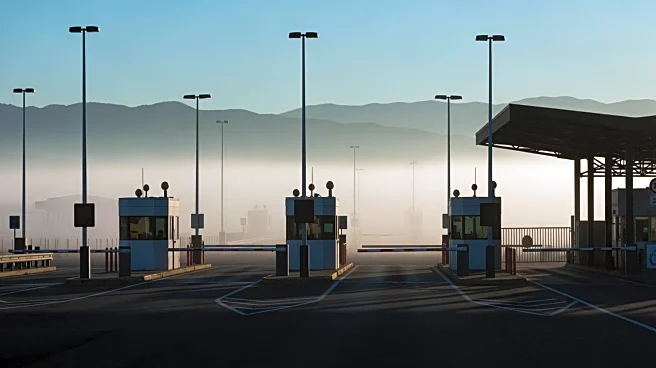
The border town of Cúcuta, Colombia, known for its bustling activity due to its proximity to Venezuela, has become unusually quiet following the arrest of Venezuelan President Nicolás Maduro by U.S. forces
on January 3. The arrest, which also included Maduro's wife, has left many Venezuelans in a state of uncertainty about their country's future. The U.S. raid on Venezuela's capital has drawn significant international attention, and the once-busy commercial district in Cúcuta is now largely inactive as people await further developments.
Why It's Important?
The arrest of President Maduro by the U.S. marks a significant escalation in the ongoing political crisis in Venezuela. This action could have profound implications for U.S.-Venezuela relations and the broader geopolitical landscape in Latin America. The silence at the Venezuela-Colombia border reflects the uncertainty and potential instability that could arise from this development. The arrest may lead to increased tensions between the U.S. and countries that support Maduro, such as Russia and China, potentially affecting international diplomatic relations. Additionally, the situation could impact the humanitarian crisis in Venezuela, as border closures and political instability may hinder aid and exacerbate the plight of Venezuelan citizens.
What's Next?
The international community is likely to closely monitor the situation in Venezuela following Maduro's arrest. Potential reactions from major stakeholders, including Latin American countries and global powers, could shape the future of Venezuela's political landscape. The U.S. may face diplomatic challenges as it navigates the consequences of its actions, and there could be calls for international mediation to address the crisis. The situation may also prompt discussions on the role of international law and sovereignty in addressing political conflicts.