
What's Happening?
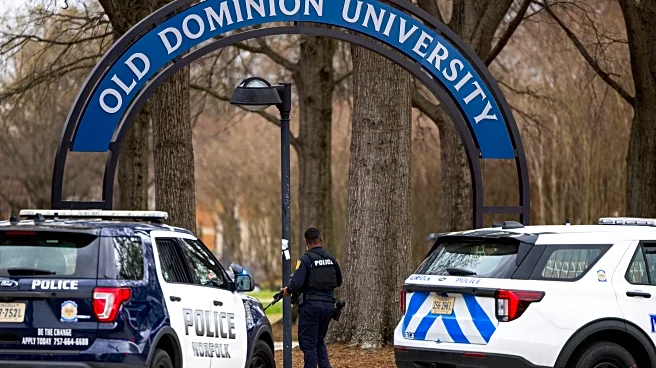
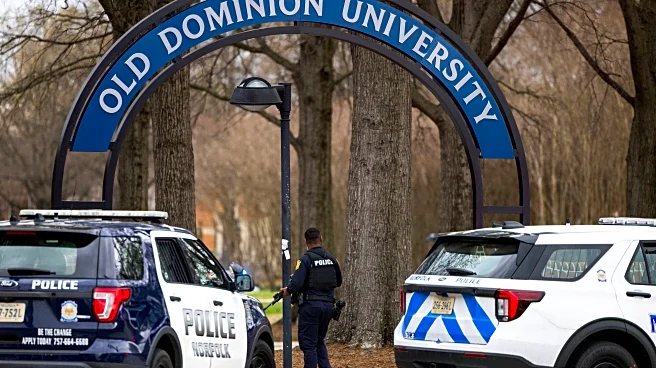
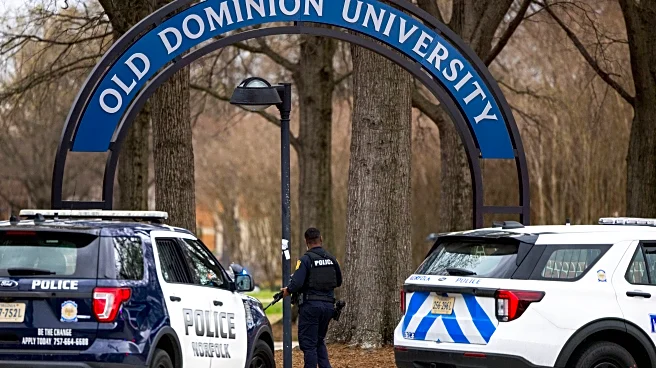
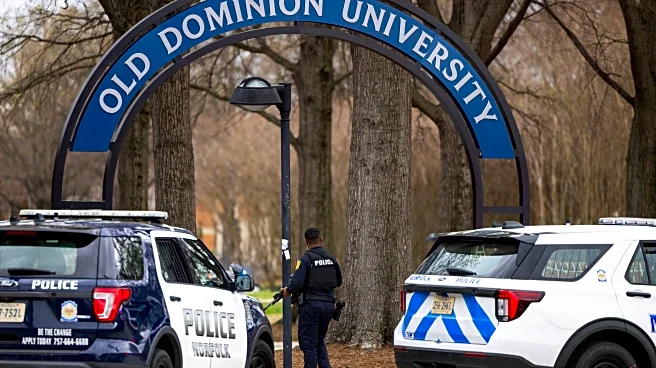
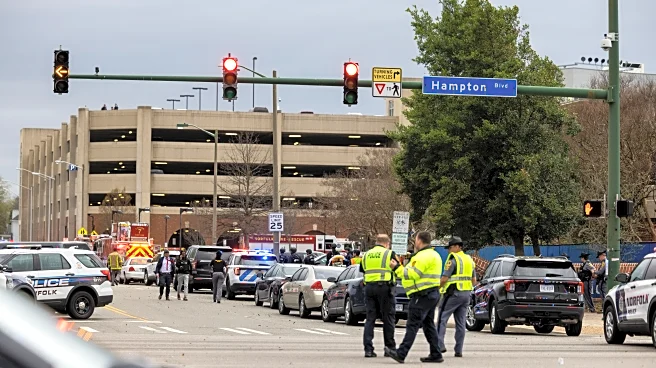
Lt. Col. Brandon Shah, a military science professor and ROTC instructor at Old Dominion University, was identified as the victim in a shooting that occurred on Thursday. Shah, an alumnus of the university and a decorated military veteran, was killed when
a gunman opened fire in a classroom. The shooter, identified by the FBI as 36-year-old Mohamed Bailor Jalloh, is a former member of the Army National Guard with a previous conviction in a terrorism case involving ISIS. The FBI is investigating the incident as an act of terrorism. Virginia Governor Abigail Spanberger issued a statement recognizing Shah's dedication to service and his role in leading others to follow a similar path. Shah had served several tours in the Middle East and was a native of Virginia.
Why It's Important?
The shooting at Old Dominion University highlights ongoing concerns about campus safety and the threat of terrorism within the United States. The identification of the shooter as a former National Guard member with ties to a previous terrorism case underscores the complexities of domestic security and the challenges faced by law enforcement in preventing such incidents. The loss of Lt. Col. Brandon Shah, a respected educator and military leader, is a significant blow to the university community and the ROTC program, which plays a crucial role in training future military officers. This event may prompt a reevaluation of security measures at educational institutions and raise questions about the effectiveness of current counter-terrorism strategies.
What's Next?
The FBI is leading the investigation into the shooting, urging anyone with information to come forward. As the investigation unfolds, there may be increased scrutiny on the processes for monitoring individuals with past terrorism-related convictions. Educational institutions across the country might review and potentially enhance their security protocols to prevent similar incidents. The university community will likely engage in discussions about safety and support for students and staff affected by the tragedy. Additionally, there may be calls for policy changes at the state or national level to address the underlying issues related to domestic terrorism and campus security.