








What's Happening?
New research conducted in New York City nail salons has revealed that concentrations of dangerous airborne chemicals, specifically volatile organic compounds (VOCs) like benzene and methacrylates, spike repeatedly throughout the day. This study, led by
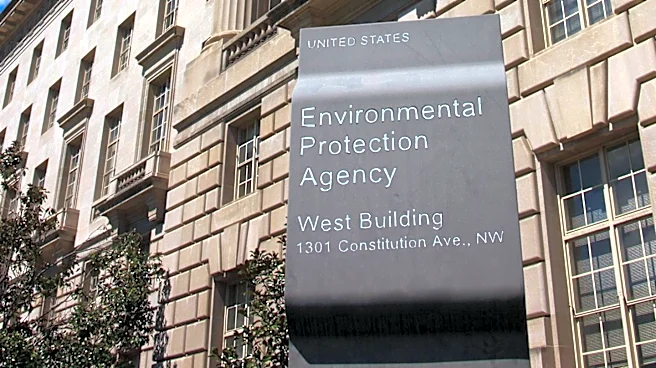
researchers from the City University of New York Graduate School of Public Health (CUNY SPH), monitored air quality minute-by-minute in five salons over a week. Although detected at low levels, modeling indicated that over time, these exposures could exceed the EPA's safety benchmarks, significantly increasing the risk of cancer and other health issues for workers who spend extended periods in these environments. The findings suggest that traditional air sampling methods, which often rely on overall averages, may underestimate the true health impacts on nail salon employees, many of whom are women of reproductive age and may be more sensitive to chemical exposures.
Why It's Important?
This research carries significant implications for the health and safety of nail salon workers across the U.S., particularly in urban centers like New York City. The repeated, high-peak exposures to carcinogens like benzene (linked to leukemia and other blood cancers) and methacrylates (associated with respiratory issues, organ damage, and potential rectal and colon cancer) highlight a critical occupational health hazard. The study challenges existing regulatory frameworks, which were often designed for healthy adult men in standard eight-hour shifts, failing to account for the unique vulnerabilities of the predominantly female workforce in nail salons. This could lead to increased healthcare costs for workers, potential lawsuits against salon owners for unsafe working conditions, and a demand for more stringent air quality regulations and enforcement. It also underscores the need for better ventilation systems and safer product alternatives within the beauty industry.
What's Next?
The findings are likely to prompt calls for revised occupational safety standards and increased awareness campaigns for nail salon workers and owners. Regulatory bodies, such as the Occupational Safety and Health Administration (OSHA) and local health departments, may face pressure to re-evaluate and update air quality guidelines specifically for nail salons, considering the intermittent but high-peak nature of chemical exposures. Salon owners might need to invest in advanced ventilation systems, provide personal protective equipment, and explore using products with fewer VOCs. Workers, particularly those of reproductive age, may seek more information on their rights and health risks, potentially leading to advocacy for safer working conditions. Further research may also be initiated to develop more accurate exposure assessment methods and to identify effective interventions to mitigate these risks.
Beyond the Headlines
Beyond the immediate health concerns, this study sheds light on the broader issue of environmental justice and occupational health disparities. Many nail salon workers are immigrants and women of color, often in low-wage jobs, who may lack the resources or voice to advocate for safer working conditions. The underestimation of health impacts due to traditional air sampling methods reveals a systemic flaw in how occupational hazards are assessed, potentially leaving vulnerable populations unprotected. This situation highlights the ethical imperative for industries and regulators to adopt more nuanced and worker-centric approaches to health and safety. It also points to a cultural shift where consumers, increasingly aware of the health implications for service providers, might demand more transparency and accountability from businesses regarding their environmental and labor practices, potentially influencing consumer choices and industry standards.