
What's Happening?
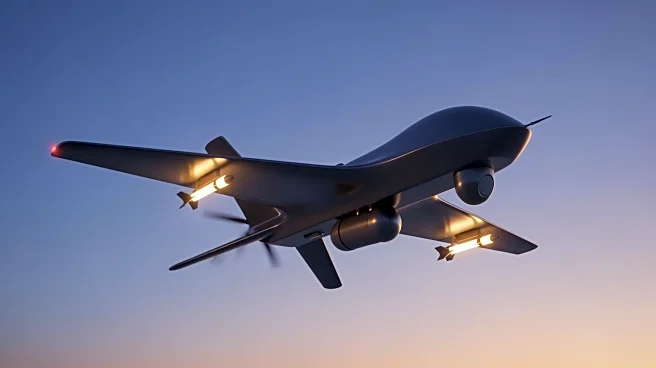
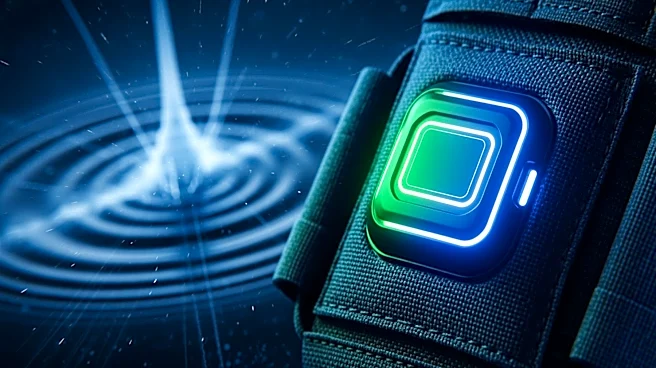
The U.S. Army is conducting market research to find sensor technologies that can assess the physiological effects of blast overpressure on troops. This initiative aims to gather better data on troop health following exposure to explosions and drone attacks,
particularly in the context of the ongoing conflict with Iran. The Army's request for information (RFI) specifies that the sensors should measure various bodily outputs, including brain activity, heart rate, and respiration. This effort is part of a broader study into the effects of blast overpressure, which has been a concern for military personnel exposed to explosive devices during the Global War on Terror.
Why It's Important?
Understanding the physiological impacts of blast overpressure is crucial for improving the health and safety of military personnel. The development of sensor technology could lead to better diagnosis and treatment of conditions such as traumatic brain injuries, which can have long-term effects on soldiers. This initiative reflects the military's commitment to addressing the health risks associated with modern warfare, particularly as drone and missile attacks become more prevalent. The data collected from these sensors could inform future military strategies and enhance the protection of troops in combat zones.
What's Next?
The Army is seeking industry responses to the RFI by April 16, with the goal of developing a comprehensive monitoring system for blast overpressure. This system would provide real-time data on the physiological effects of explosions, allowing for timely interventions and improved medical care for affected soldiers. The military may also explore the use of unmanned systems to reduce the risk to personnel in high-risk environments. As the research progresses, the Army could implement new protocols and technologies to better protect troops from the harmful effects of blasts.