






What's Happening?
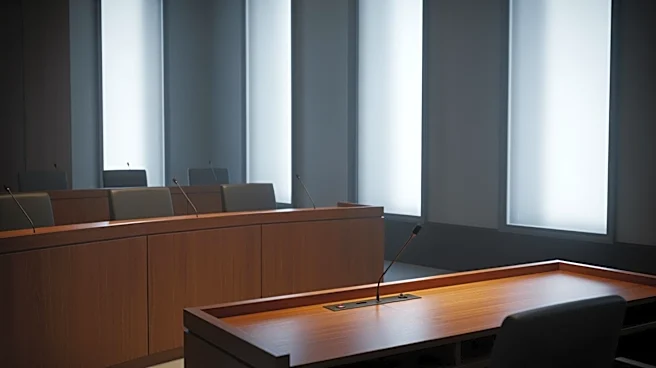
The Israeli rabbinical courts are under scrutiny for operating as extra-territorial entities with little transparency and no female representation. These courts, which derive their authority from the law and are funded by public money, have exclusive
jurisdiction over personal matters for Jewish Israelis. Despite this, they operate with their own internal rules and often ignore rulings from the High Court of Justice. Critics are calling for systemic changes, including transparency in appointments, public oversight, and the inclusion of women in leadership roles.
Why It's Important?
The lack of transparency and gender representation in the rabbinical courts has significant implications for Israeli society, particularly for women. These courts have a profound impact on personal matters such as divorce, custody, and alimony, and their decisions can perpetuate gender inequality. The call for reform highlights the need for accountability and representation in institutions that wield significant power over citizens' lives. Addressing these issues could lead to more equitable outcomes and strengthen democratic principles in Israel.
What's Next?
There is a growing demand for systemic change in the rabbinical courts, with calls for full transparency in appointments and administration, effective public oversight, and the inclusion of women at every level. The appointment of a woman as director-general of the Rabbinical Courts is seen as a necessary step towards reform. As public pressure mounts, the Israeli government may face increased scrutiny and calls for legislative changes to ensure accountability and gender equality in these institutions.