


What's Happening?
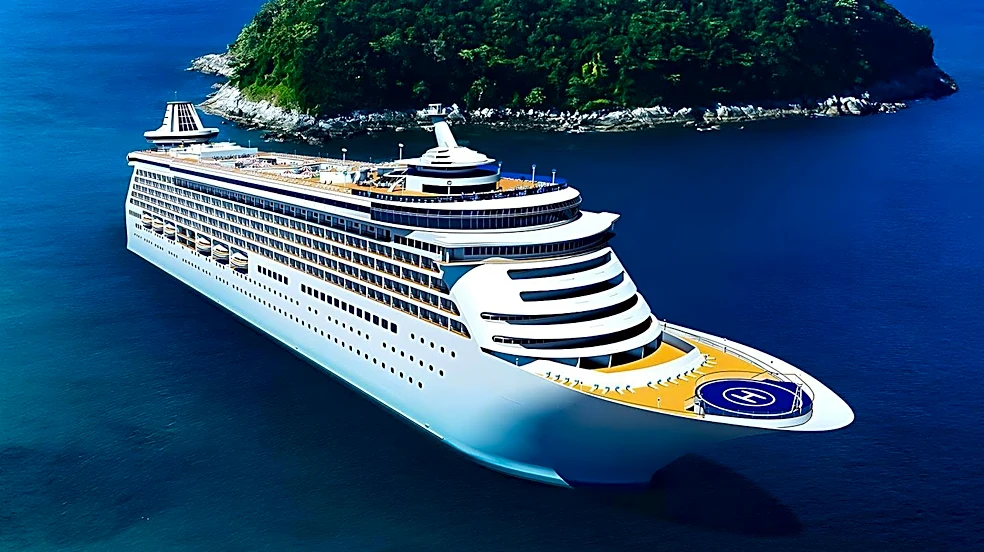
An 80-meter luxury vessel, suspected to be for North Korean leader Kim Jong-un's summer vacation, has been repeatedly observed near Wonsan, North Korea. The BBC reported this on October 18, based on satellite imagery analysis from July to mid-October.
The ship features a 50-meter-long swimming pool and multiple water slides. It was previously in maintenance facilities for several months before moving to the Kalma Peninsula waters in early July, an area close to a large-scale villa used by Kim's family. Additionally, three other vessels, measuring 50, 55, and 60 meters, have been seen moving around Kim's villa. Former North Korean officials and defectors suggest these are private ships for Kim's family, used for recreation during the summer. The cost of similar luxury yachts is estimated around $100 million, highlighting a stark contrast with the severe economic hardships faced by ordinary North Koreans. Wonsan has historically been a favored vacation spot for the Kim family.
Why It's Important?
The sighting of Kim Jong-un's suspected luxury cruise ship underscores the significant disparity between the lifestyle of North Korea's leadership and its general populace. This display of opulence, amidst widespread economic hardship and food insecurity in the country, can fuel international criticism and further isolate the regime. For the U.S. and its allies, this serves as a stark reminder of the regime's priorities, potentially influencing foreign policy decisions related to sanctions and humanitarian aid. It also highlights the challenges in enforcing international sanctions aimed at curbing the regime's access to luxury goods. The continued ability of the Kim family to acquire and utilize such expensive assets suggests potential loopholes in existing sanctions or illicit procurement networks, which could prompt further scrutiny and efforts to tighten enforcement measures. This situation also provides propaganda material for those critical of the North Korean government, both domestically and internationally.
What's Next?
The continued use of luxury assets by Kim Jong-un is likely to draw further attention from international monitoring bodies and human rights organizations. There may be renewed calls from the international community, including the U.S., for stricter enforcement of sanctions against North Korea, particularly those targeting luxury goods and financial transactions that enable such purchases. Intelligence agencies will likely continue to monitor these activities to understand the extent of the regime's wealth and its procurement methods. This could lead to investigations into companies or individuals facilitating these transactions. Domestically, while state media typically conceals such activities, the stark contrast between the leader's lifestyle and public suffering could, in the long term, contribute to internal discontent, though direct evidence of this is often suppressed. Diplomatically, this could be used as leverage in discussions regarding North Korea's denuclearization efforts.
Beyond the Headlines
Beyond the immediate implications, the consistent display of luxury by the North Korean leadership, as exemplified by this cruise ship, reflects a deeper narrative of power consolidation and elite privilege within an authoritarian state. It serves as a symbolic assertion of control and detachment from the realities faced by the majority of the population. This behavior also raises ethical questions about the effectiveness and morality of international sanctions regimes when they fail to prevent the ruling elite from enjoying lavish lifestyles. It highlights the complex challenge of targeting a regime's illicit activities without exacerbating the suffering of its citizens. Furthermore, the use of such vessels for private leisure underscores the regime's ability to circumvent international norms and maintain a degree of normalcy for its leadership, even under severe international pressure, suggesting a sophisticated network for acquiring prohibited goods and services.