



What's Happening?
The California Strategic Growth Council (SGC) has allocated $10 million in grant funding to accelerate the development and use of factory-built housing across the state. This funding will support 10 projects in seven regions, including greater Los Angeles,
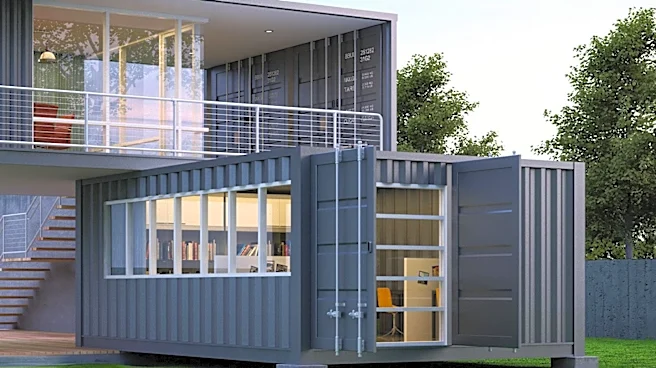
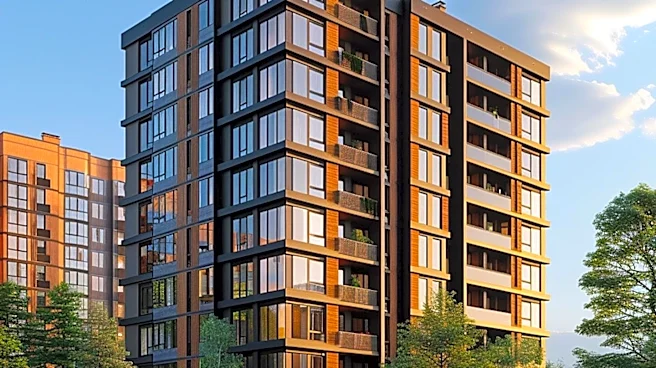
the Bay Area, Sacramento Valley, Sierra Nevada, Inland Desert, North Coast, and San Joaquin Valley. The initiatives range from wildfire recovery efforts and tribal use of climate-resilient hempcrete to workforce housing development and mass-timber strategies. The SGC emphasizes that factory-built housing is a crucial tool for constructing affordable homes more rapidly, while also contributing to California's employment and climate objectives. These homes, built off-site in controlled environments, can incorporate durable, fire-resistant materials and climate-adaptive features, offering a quicker path to recovery for communities affected by disasters and strengthening social connections by enabling families to rebuild on or near their original properties.
Why It's Important?
This investment is significant as California grapples with a severe housing crisis, a need for affordable and equitable housing, and ambitious greenhouse gas reduction targets. Factory-built housing offers a multi-faceted solution by providing efficient, sustainable, and adaptable housing options. It addresses the urgency of housing shortages, particularly for middle-income families and those impacted by climate-related disasters. By promoting off-site construction, the program aims to lower costs through streamlined, low-waste production and reduce emissions through high-efficiency manufacturing. Furthermore, the initiative supports the state's workforce by fostering training pathways and skilled jobs in advanced construction, contributing to a regional circular economy. The focus on resilient materials and climate-adaptive designs is vital for protecting communities against increasing climate risks like extreme heat and wildfires, ensuring long-term stability and safety for residents.
What's Next?
The awarded projects will now proceed with their respective initiatives, which include developing modular design prototypes, implementing zoning reforms, streamlining permitting processes, and conducting feasibility analyses for various factory-built housing solutions. For instance, Integrity Custom Built will develop a wildfire recovery model for areas affected by the Eaton and Palisades Fires, creating pre-approved modular housing designs for high-wildfire-risk zones. Building Lives by Building Structure will advance tribal-led innovation in hempcrete panelized housing for North Coast communities. The Bay Area Middle Housing Accelerator aims to produce modular design prototypes and zoning reforms to expand 'missing middle' housing. These efforts are expected to create replicable models and toolkits that can be adopted by other builders and cities across California, ultimately accelerating the deployment of factory-built housing and contributing to the state's housing and climate goals.
Beyond the Headlines
The shift towards factory-built housing represents a broader transformation in construction practices, moving away from traditional, on-site methods to more industrialized, efficient processes. This approach not only addresses immediate housing needs but also has profound implications for environmental sustainability and economic development. By reducing waste, lowering carbon emissions, and utilizing innovative materials like hempcrete, the program promotes a more circular economy within the construction sector. Ethically, it aims to ensure equitable access to housing, particularly for vulnerable populations disproportionately affected by environmental hazards and housing insecurity. The initiative also highlights a growing recognition of the need for integrated solutions that link housing policy with climate resilience and workforce development, fostering a more holistic approach to urban and rural planning in California.