





What's Happening?
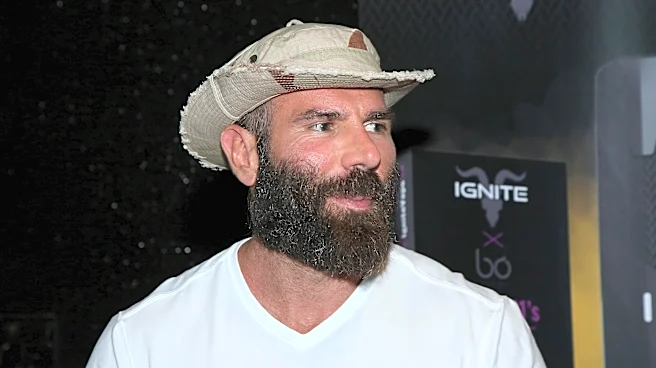
Representative Randy Fine (R-FL) has won his primary election, defeating social media personality Dan Bilzerian. Fine secured 56.8% of the vote, while Bilzerian received 17.9%. The Associated Press called the race at 7:53 p.m. The primary contest was
notably marked by an outwardly antisemitic campaign waged by Bilzerian against Fine. Fine is recognized as one of the most vocal supporters of Israel in Congress. In addition to Fine and Bilzerian, two other candidates, veteran Charles Gambaro and activist Aaron Baker, also participated in the race.
Why It's Important?
This primary election outcome is significant as it demonstrates the electorate's response to a campaign characterized by antisemitism. Representative Fine's victory, particularly given his strong pro-Israel stance, suggests a rejection of the antisemitic rhetoric employed by his opponent. This result could reinforce the idea that such divisive tactics may not resonate with voters, even in highly contested races. For the Republican Party, it signifies the retention of an incumbent known for his clear foreign policy positions. The defeat of a social media figure like Bilzerian, despite his online presence, highlights that political success often requires more than just a large digital following, especially when controversial and offensive campaign strategies are employed. This election serves as a case study in the intersection of social media influence and traditional political campaigning, and the potential pitfalls of using hateful rhetoric.
What's Next?
Following his primary victory, Representative Randy Fine will now advance to the general election. His campaign will likely pivot to focus on broader issues relevant to his district and state, preparing to face his Democratic challenger, if any, or other general election opponents. The outcome of this primary may also prompt discussions within political circles regarding the effectiveness and ethical implications of campaigns that utilize antisemitic or other forms of hateful rhetoric. Political strategists and parties might analyze this result to inform future campaign messaging and candidate selection, potentially discouraging similar tactics. The broader political landscape will observe whether this election's dynamics influence future primary contests where controversial figures or divisive rhetoric are present.
Beyond the Headlines
The primary election in Florida, characterized by Dan Bilzerian's antisemitic campaign against Randy Fine, underscores a concerning trend of hateful rhetoric entering mainstream political discourse. This event highlights the ongoing challenge of combating antisemitism and other forms of prejudice within the political arena. The decisive rejection of Bilzerian's campaign by voters could be interpreted as a reaffirmation of societal values against hate, yet the very presence and visibility of such a campaign raise questions about the platforms and reach afforded to individuals promoting discriminatory views. It also brings to light the role of social media figures in politics and the potential for their online influence to translate into real-world political campaigns, for better or worse. The incident may also spark broader conversations about the responsibility of political parties and media outlets in condemning and preventing the normalization of hate speech in elections.