





What's Happening?
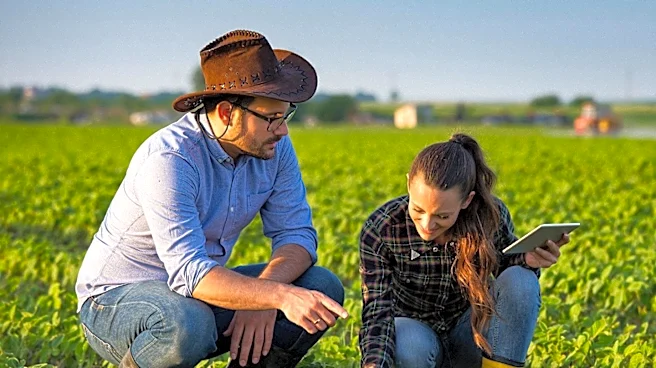
Farmers are increasingly adopting specialized soil testing methods beyond traditional nutrient analysis to gain more comprehensive insights into soil health and optimize crop management strategies. While standard fertility tests remain foundational, additional
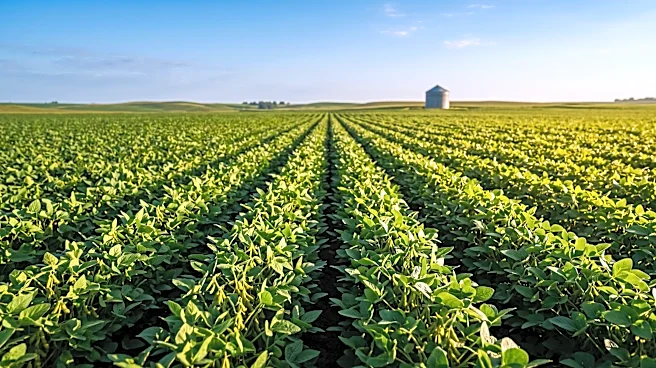
analyses like soil health tests and soybean cyst nematode (SCN) testing are being integrated. Soil health tests, which include measurements of soil organic carbon, carbon mineralization potential, and aggregate stability, help assess biological activity, nutrient cycling, water retention, and soil structure. Specific tests like the Haney Test and Solvita Test provide data on microbial activity and nutrient availability. SCN testing is crucial for identifying the presence and population density of this damaging soybean pest, which often causes yield losses without visible symptoms. These specialized tests can often be conducted using the same soil samples collected for routine analysis, requiring minimal additional effort from growers. Proper sample collection and handling are emphasized to ensure accurate and reliable results.
Why It's Important?
The adoption of specialized soil testing is a critical development for U.S. agriculture, offering farmers enhanced tools to improve crop performance, sustainability, and profitability. By understanding the biological functioning and structural integrity of their soil, growers can make more informed decisions regarding nutrient application, irrigation, and pest management. This precision approach can lead to more efficient use of resources, reducing input costs and minimizing environmental impact. For instance, accurate SCN testing allows for targeted management strategies, preventing significant yield losses in soybeans, a major U.S. crop. Improved soil health, as indicated by these tests, contributes to greater crop resilience against environmental stressors and can enhance long-term farm productivity. This trend signifies a move towards more data-driven and environmentally conscious farming practices, benefiting both individual farmers and the broader agricultural industry by promoting sustainable land stewardship and food security.
What's Next?
The trend towards specialized soil testing is expected to continue, with ongoing research and development likely introducing even more advanced analytical methods. Educational programs, such as those offered by the Ohio Soybean Council and The Ohio State University for free SCN testing, will play a crucial role in promoting adoption and ensuring proper implementation of these techniques. Farmers will likely integrate these detailed soil insights into broader precision agriculture systems, utilizing data analytics and mapping technologies to apply inputs with even greater accuracy. This could lead to the development of more sophisticated decision-support tools for growers. Furthermore, as the benefits of soil health become more widely recognized, there may be increased policy support or incentives for farmers to adopt these practices, potentially influencing agricultural subsidies and environmental regulations. The focus will remain on maximizing yield and profitability while simultaneously enhancing the ecological health of agricultural lands.
Beyond the Headlines
The shift towards specialized soil testing reflects a deeper paradigm change in agriculture, moving beyond simply feeding the crop to nurturing the soil as a living ecosystem. This approach has profound implications for environmental sustainability, as healthy soils are better at sequestering carbon, filtering water, and supporting biodiversity. The emphasis on understanding microbial activity and soil structure highlights a growing recognition of the complex biological processes that underpin agricultural productivity. Ethically, it represents a more responsible stewardship of land resources, aiming for long-term ecological balance rather than short-term gains. Culturally, it signifies a return to a more holistic understanding of farming, where the health of the land is intrinsically linked to the health of the food system and, ultimately, human well-being. This evolution in soil management practices could redefine the relationship between farmers, their land, and the broader environment, fostering a more resilient and sustainable agricultural future.