




What's Happening?
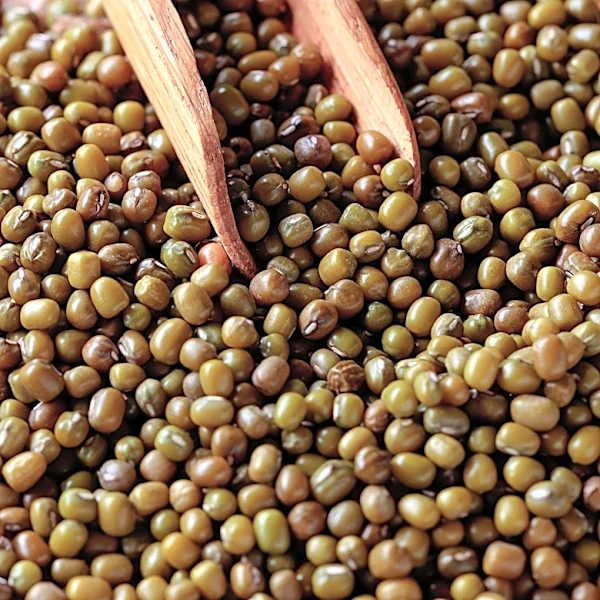
Scientists at the Salk Institute for Biological Studies are developing deeper-rooted soybean plants designed to withstand climate extremes and store more carbon underground. This initiative, supported by an $18 million grant from the Bezos Earth Fund,
aims to leverage genetic information to create plants with root systems that penetrate further into the soil. The research, led by Wolfgang Busch, director of the institute’s Harnessing Plants Initiative, involves identifying 347 genes related to carbon storage and root growth across various plant genomes. By editing the plants' DNA, scientists have successfully created soybean varieties with roots that grow steeply downwards, rather than spreading horizontally. The goal is for these deeper roots to access water during droughts and sequester carbon more effectively in the soil, where it is less likely to be released through tilling. Researchers are also working to increase the size of root systems and the amount of suberin, a carbon-rich substance in roots that decomposes slowly, to further enhance carbon storage.
Why It's Important?
This research holds significant importance for U.S. agriculture and climate change mitigation efforts. Deeper-rooted soybeans could offer a dual benefit: enhancing crop resilience against increasingly frequent droughts and extreme weather events, and providing a natural solution for carbon sequestration. By storing more carbon underground, these plants could contribute to reducing atmospheric carbon dioxide levels, a key driver of human-caused climate change. This approach offers a potentially scalable and cost-effective method for carbon removal, utilizing existing agricultural land and infrastructure. Furthermore, the ability of these plants to absorb more nitrogen and other fertilizer runoff could help mitigate environmental issues such as algae blooms and low-oxygen zones in waterways, benefiting aquatic ecosystems and public health. The success of this initiative could provide U.S. farmers with a new tool to adapt to climate change while simultaneously contributing to environmental sustainability, potentially improving crop yields and economic stability in the agricultural sector.
What's Next?
Salk researchers are currently conducting field trials at sites in Illinois, Missouri, Kansas, and Iowa to assess how these deeper-rooted soybeans perform under real farming conditions. Initial results from these field trials are expected this fall. The studies will measure the plants' resilience to drought, the amount of carbon they can store, and the duration of that storage, as well as their impact on crop yields. A key challenge will be demonstrating the effectiveness of these plants outside of laboratory settings and ensuring they do not introduce unintended problems like increased susceptibility to disease. Rapid adoption of this technology will depend on its clear benefits to farmers and the willingness of large seed companies to integrate these traits into their offerings. Researchers acknowledge that getting new seed technology into farmers' fields can be a lengthy process, but they hope that clear advantages in yield and climate resilience will accelerate uptake, similar to the rapid adoption of herbicide-resistant crops in the past.
Beyond the Headlines
The development of deeper-rooted soybeans represents a broader shift in agricultural research towards nature-based solutions for climate change. This approach highlights the potential of leveraging plant biology to address complex environmental challenges, moving beyond traditional methods of carbon capture. The ethical implications revolve around the responsible development and deployment of genetically modified crops, even when the modifications are aimed at environmental benefits. Public acceptance and regulatory frameworks will play a crucial role in the widespread adoption of such technologies. Furthermore, the research underscores the interconnectedness of agricultural practices, climate change, and ecosystem health. If successful, this initiative could fundamentally alter how agriculture contributes to environmental stewardship, transforming farms into significant carbon sinks and enhancing the overall sustainability of the food system. It also raises questions about the economic incentives and policy support needed to encourage farmers to adopt these innovative, climate-friendly practices on a large scale.