






What's Happening?
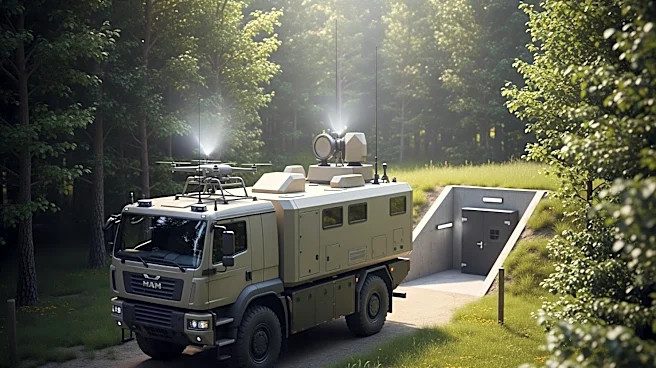
A Ukrainian defense official, Taras Berezovets, has advised NATO forces to ensure their drone units and command centers are mobile and ideally located underground. This recommendation comes from Ukraine's experience in the ongoing conflict with Russia,
where drone warfare has proven to be a critical component. Berezovets, who heads the military cooperation department of Ukraine's Territorial Defense Forces, emphasized the high value of drone units as targets and the necessity of protecting them. He highlighted that the Russians are constantly searching for Ukrainian drone units, prompting Ukraine to frequently relocate them to avoid detection. At a drone summit in Latvia, Berezovets suggested that Western allies consider building drone command centers deeper underground, despite the higher costs, to enhance their security. This strategy is particularly challenging for smaller NATO countries with limited space for relocation.
Why It's Important?
The advice from Ukraine is significant as it underscores the evolving nature of modern warfare, where drones play a pivotal role. For NATO, adopting these strategies could enhance the survivability and effectiveness of their drone operations. The emphasis on mobility and underground facilities reflects a shift from traditional large, static command centers to more dispersed and concealed operations. This approach could complicate logistics and coordination but is deemed necessary to protect high-value assets. The lessons from Ukraine's experience could influence NATO's defense strategies, potentially leading to changes in how military infrastructure is designed and deployed across member countries.
What's Next?
NATO may need to reassess its current infrastructure and consider investing in mobile and underground facilities for drone operations. This could involve significant financial and logistical planning, especially for smaller member states with limited space. The alliance might also explore new technologies and tactics to enhance the mobility and concealment of their drone units. Additionally, there could be increased collaboration among NATO countries to share resources and strategies for effective drone warfare. The implementation of these recommendations could lead to a broader reevaluation of military strategies in response to the changing dynamics of warfare.
Beyond the Headlines
The shift towards mobile and underground drone command centers could have broader implications for military strategy and defense industry practices. It may prompt defense companies to rethink their manufacturing processes, moving away from large centralized facilities to smaller, dispersed production sites. This decentralization could enhance security but also increase operational complexity and costs. Furthermore, the emphasis on mobility and concealment may drive innovation in military technology, leading to the development of new systems and equipment designed for these environments. These changes could have long-term impacts on the defense sector and military operations worldwide.