





What's Happening?
Fossil fuels, including coal, oil, and natural gas, are energy sources formed from the remains of ancient plants and animals over millions of years. These fuels are composed of carbon and hydrogen compounds that release energy when burned. The formation
process involves the burial of organic matter under sediment layers, where heat and pressure transform it into fossil fuels. Coal primarily forms from plant material in swampy conditions, while oil originates from marine organisms. Natural gas, mainly methane, often forms above oil deposits or independently in sedimentary rocks. Despite their energy value, fossil fuels are nonrenewable due to the extensive time required for their formation.
Why It's Important?
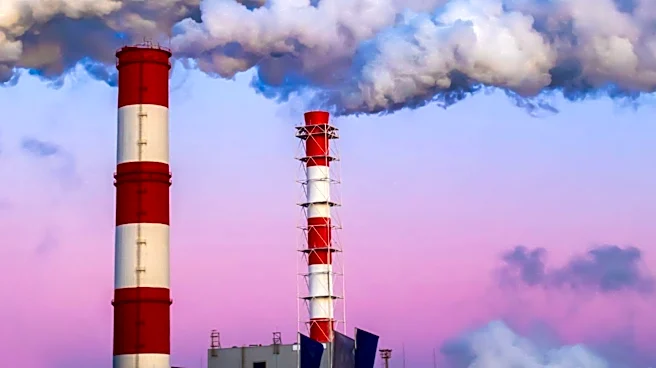
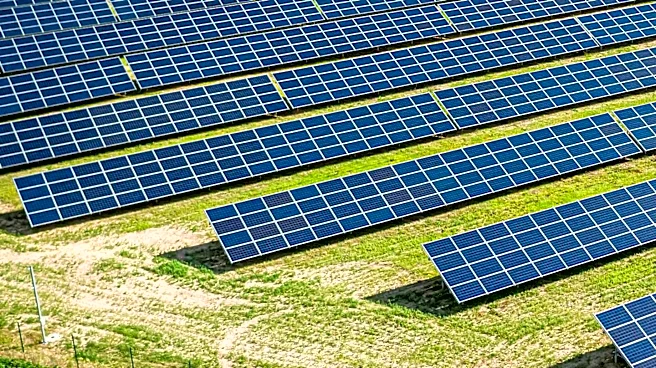
Fossil fuels currently provide the majority of global energy needs, powering homes, businesses, and transportation systems. However, their use contributes significantly to climate change through the release of carbon dioxide and other greenhouse gases. This has led to global warming, rising temperatures, and extreme weather events. As a result, there is a growing push for cleaner alternatives and more efficient use of existing fuels. Efforts such as carbon capture and sequestration, cleaner burning technologies, and the development of renewable energy sources are underway to reduce dependency on fossil fuels and mitigate environmental impacts.