



What's Happening?
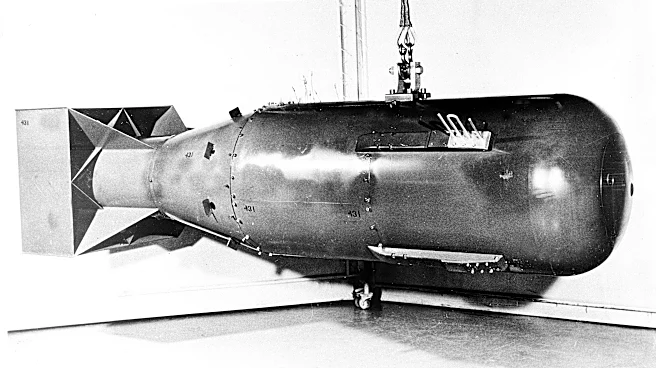
A newly published memoir, 'Hiroshima, 8:15: The Lost Memoir' by Kiyoshi Tanimoto, offers a unique perspective on the aftermath of the atomic bombing of Hiroshima on August 6, 1945. Unlike many accounts that focus on the immediate devastation, Tanimoto's
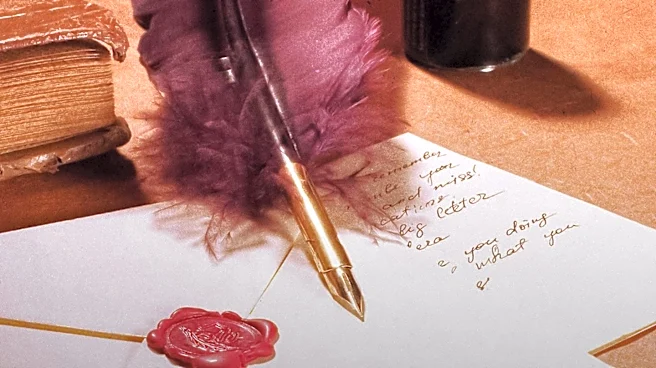
work, written in English shortly after the event, explores the challenges of rebuilding the city and the lives of its inhabitants in the weeks and months following the bombing. The manuscript was sent to writer John Hersey but remained unpublished for decades until its recent discovery in Yale University's archives. The memoir provides a personal and historical account of the resilience and recovery efforts in Hiroshima, offering insights into the long-term impacts of the atomic bomb on Japanese society.
Why It's Important?
The publication of Tanimoto's memoir adds a significant narrative to the historical understanding of Hiroshima's recovery after the atomic bombing. It highlights the resilience of the survivors and the complex process of rebuilding a city devastated by nuclear warfare. This perspective is crucial for comprehending the broader implications of nuclear weapons and their long-lasting effects on human communities. The memoir also contributes to ongoing discussions about nuclear disarmament and the ethical considerations surrounding the use of atomic weapons. By focusing on the aftermath, the memoir encourages reflection on the human capacity for recovery and the importance of peace-building efforts.