






What's Happening?
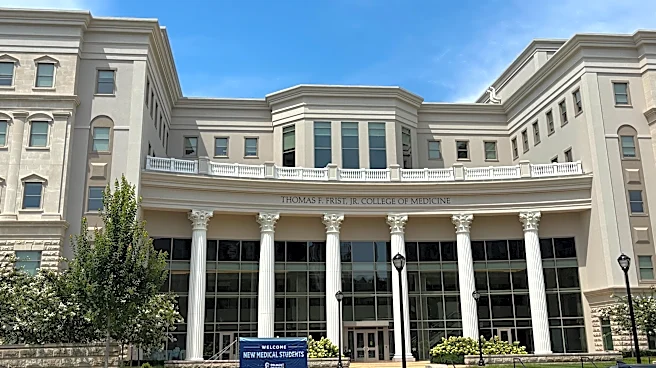
Investigators at Emory University School of Medicine have published a pilot study examining disability prevalence, disclosure patterns, and accommodation use among pediatric residents. The research, conducted in collaboration with the Association of Pediatric
Program Directors Longitudinal Educational Assessment Research Network, surveyed four pediatric residency programs between April and October 2024. The findings indicate that 36% of the 69 respondents self-identified as having a disability, which is more than triple the national average for residents with disabilities. The most commonly reported disabilities included ADHD, chronic health conditions, and psychological disabilities. Despite Accreditation Council for Graduate Medical Education requirements for formal disability policies and reasonable accommodations, residents with disabilities continue to face barriers such as stigma, complex documentation processes, and limited institutional infrastructure. The study also found that fear of stigma and issues with documentation emerged as significant barriers to requesting accommodations, and first-generation college graduates were more likely to be unsure of their disability status. This pilot study provides initial insights into the challenges faced by disabled residents in pediatric programs.
Why It's Important?
This study is important because it highlights significant disparities and challenges within U.S. medical education, particularly in pediatric residency programs. The finding that 36% of pediatric residents in the study self-identified as having a disability, far exceeding the national average, suggests a critical need for improved support systems and inclusive practices. The barriers identified, such as stigma and complex documentation, can deter residents from seeking necessary accommodations, potentially impacting their well-being, training effectiveness, and ultimately, the quality of patient care. Addressing these issues is crucial for fostering a diverse and equitable physician workforce, which is essential for meeting the healthcare needs of a diverse U.S. population. Furthermore, the study underscores the importance of specialty-specific data to identify gaps in inclusion, especially given the higher rates of disability among trainees entering pediatrics. Improving accommodation practices and reducing stigma can lead to a more inclusive medical profession, benefiting both residents and the patients they serve.
What's Next?
The findings of this pilot study suggest several potential next steps for medical education institutions and regulatory bodies in the U.S. Further research with larger sample sizes and broader geographical representation will be necessary to validate these preliminary insights and develop more comprehensive strategies. Medical schools and residency programs may need to re-evaluate and strengthen their disability policies, ensuring they are clear, accessible, and effectively communicated to residents. Efforts to reduce stigma surrounding disability disclosure will be critical, potentially through educational initiatives for faculty and residents, and by fostering a more supportive and understanding environment. Additionally, simplifying documentation processes for accommodations could encourage more residents to seek the support they need. The Association of Pediatric Program Directors and other medical education organizations may use these findings to advocate for systemic changes and best practices across U.S. residency programs, aiming to create a more inclusive and equitable training environment for all future physicians.
Beyond the Headlines
Beyond the immediate implications for medical education, this study touches upon broader societal issues concerning disability inclusion and equity in professional fields. The high prevalence of disabilities among pediatric residents, coupled with the barriers to disclosure and accommodation, reflects a systemic challenge that extends beyond the medical profession. It highlights the ongoing struggle for individuals with disabilities to navigate educational and professional environments that may not be adequately equipped to support them. The fear of stigma and the complexity of obtaining accommodations can lead to underreporting and a lack of necessary support, potentially impacting career progression and mental health. This situation underscores the ethical imperative for institutions to not only comply with legal requirements for disability accommodation but also to cultivate a truly inclusive culture. Addressing these issues in medical residency programs could serve as a model for other demanding professions, promoting a more equitable and diverse workforce across the U.S. and ensuring that talent is not overlooked due to inadequate support systems.