

What's Happening?
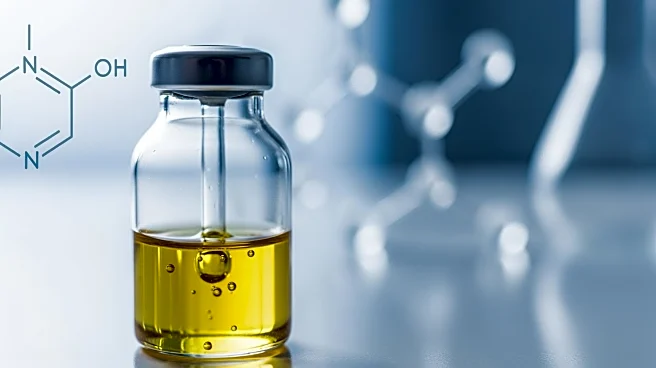
The European Union has implemented stricter import controls on arachidonic acid oil from China, following its link to cereulide toxin contamination in infant formula. This decision comes after major recalls by companies such as Nestlé, Danone, and Lactalis.
Starting February 26, imports of this oil will face 'special' entry conditions, including mandatory documentary checks and, at a 50% frequency, physical and identity checks at EU border control posts. Each shipment must also be accompanied by laboratory tests and an official certificate confirming the absence of the cereulide toxin. The European Commission has urged all EU member states to enforce these measures to prevent further contamination incidents.
Why It's Important?
The EU's decision to tighten controls on arachidonic acid oil imports is significant for several reasons. It underscores the importance of food safety and the need for stringent quality assurance measures to protect public health. The cereulide toxin, linked to vomiting and diarrhea in infants, poses a serious health risk, making these controls crucial. Additionally, the recalls have financial implications for the companies involved, potentially affecting their market reputation and consumer trust. By enforcing stricter import conditions, the EU aims to prevent future contamination incidents, thereby safeguarding consumer health and maintaining confidence in the food supply chain.
What's Next?
The EU's new import controls are likely to prompt a review of safety protocols by both ingredient exporters and infant formula manufacturers. Companies may need to enhance their quality assurance processes to comply with the new requirements. The European Food Safety Authority (EFSA) has already lowered the permissible toxin levels in baby powders, indicating a move towards stricter safety standards. Ongoing investigations by the Paris prosecutor's office into the involved companies may lead to further regulatory actions. The situation highlights the need for continuous monitoring and adaptation of food safety regulations to address emerging risks.
Beyond the Headlines
This development raises broader questions about the global food supply chain and the responsibilities of different stakeholders in ensuring product safety. The incident highlights the potential vulnerabilities in international trade, where contamination in one region can have widespread repercussions. It also emphasizes the role of regulatory bodies in setting and enforcing safety standards to protect consumers. The situation may lead to increased scrutiny of other imported food ingredients, prompting a reevaluation of existing safety protocols and international cooperation in food safety governance.