






What's Happening?
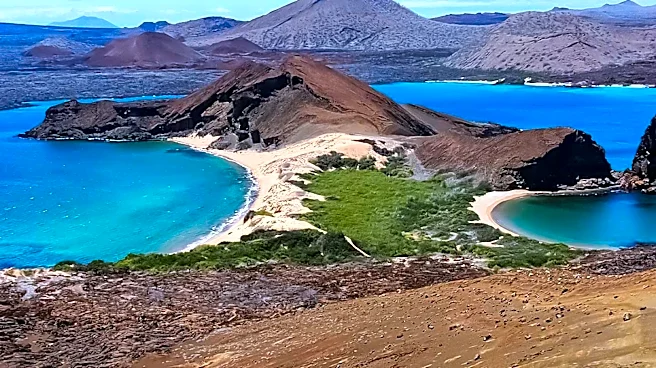
On October 30 and 31, 2026, the Galápagos's Santa Cruz island experienced torrential rainfall, leading to overflowing waterways, neighborhood flooding, home damage, and disruptions to essential infrastructure. The local government declared an emergency,
affecting over 2,000 people. While key tourism infrastructure was not damaged, local livelihoods, such as coffee harvests, were impacted. Most visitor sites in the Galápagos National Park have reopened, and transportation has resumed, though conditions remain subject to change. Other islands, like San Cristóbal, also experienced heavy rainfall, with some beach access restricted due to changing weather. Travelers are advised to check conditions for all destinations, maintain communication with tour guides, and consider travel insurance covering weather-related disruptions.
Why It's Important?
The flooding in the Galápagos, exacerbated by El Niño, highlights the increasing vulnerability of global tourism destinations to climate-related events. While the immediate impact on tourism infrastructure on Santa Cruz was limited, the disruption to local communities and the need for travelers to adapt to changing conditions underscore broader challenges. The situation emphasizes the importance of preparedness and flexibility for travelers visiting ecologically sensitive areas. The UK Foreign, Commonwealth & Development Office's updated travel advisory for Ecuador, including the Santa Cruz flooding, signals a growing recognition by international bodies of the need for travelers to be informed and cautious when visiting regions affected by extreme weather. This event serves as a case study for how natural weather cycles can impact travel and local economies, even in renowned natural reserves.
What's Next?
Travelers planning trips to the Galápagos should continue to monitor official updates from INAMHI and the Galápagos National Park's social media and website for forecasts and travel advisories. It is crucial to maintain constant communication with tour guides, hotels, or cruise lines for up-to-date information. Purchasing travel insurance that covers weather-related disruptions, medical emergencies, and unexpected accommodation or transportation expenses is highly recommended. Travelers should also pack lightweight rain protection and waterproof bags for electronics and important documents, and be prepared for potential transportation difficulties and flexible expectations due to the ongoing impact of El Niño. The long-term implications for the region's infrastructure and local economies will depend on the frequency and intensity of future weather events.