




What's Happening?
CARE International has initiated a project in Poland aimed at addressing gender-based violence (GBV) within the context of the Ukraine Situation Regional Refugee Response Plan 2024. This initiative, with a budget of $600,000, is scheduled to run from
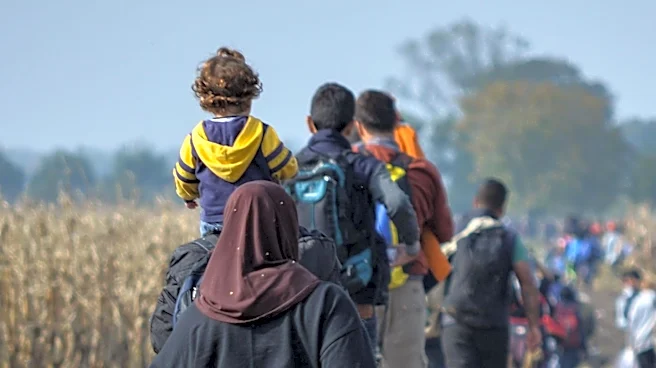
January 1, 2024, to December 31, 2024. The project is designed to provide support and resources to individuals affected by GBV, a critical issue that often escalates during humanitarian crises and displacement. The focus on Poland is directly linked to the influx of refugees from Ukraine, many of whom are women and children who are particularly vulnerable to various forms of violence and exploitation. CARE International's involvement underscores the ongoing need for specialized humanitarian aid beyond immediate relief efforts, addressing the complex social and safety challenges faced by displaced populations.
Why It's Important?
This project is significant because it directly addresses a critical, yet often underreported, aspect of humanitarian crises: gender-based violence. The displacement caused by the conflict in Ukraine has created heightened risks for vulnerable populations, particularly women and girls, who may face increased exposure to sexual violence, exploitation, and trafficking. By allocating resources specifically to GBV response in Poland, CARE International is providing essential services that can save lives, protect dignity, and promote recovery for survivors. This initiative also highlights the broader international commitment to supporting refugees and host countries, ensuring that comprehensive aid extends beyond basic necessities to include protection and psychosocial support. The project's success could serve as a model for future interventions in similar crisis situations, emphasizing the importance of integrating GBV prevention and response into all humanitarian efforts.
What's Next?
Over the next year, CARE International will implement its planned activities in Poland, which likely include establishing safe spaces, providing psychosocial support, offering legal aid, and facilitating access to medical services for survivors of gender-based violence. The organization will also likely engage in community outreach and awareness campaigns to educate refugees and host communities about GBV, its prevention, and available support services. Monitoring and evaluation will be crucial to assess the project's effectiveness and adapt strategies as needed. As the Ukraine refugee situation evolves, the project may need to adjust its scope or duration based on ongoing needs and funding availability. Continued collaboration with local Polish organizations and other international NGOs will be vital for maximizing the project's impact and ensuring sustainable support for affected populations.
Beyond the Headlines
The project by CARE International in Poland sheds light on the enduring and often hidden consequences of conflict and displacement. Beyond the immediate physical dangers, humanitarian crises create environments where pre-existing gender inequalities are exacerbated, leading to increased rates of gender-based violence. This initiative underscores the ethical imperative for humanitarian organizations to not only provide emergency relief but also to address the systemic vulnerabilities that arise in such contexts. It also highlights the long-term commitment required to support displaced populations, as the impacts of GBV can have profound and lasting effects on individuals, families, and communities. The project's focus on prevention and response is a testament to a more holistic approach to humanitarian aid, recognizing that safety and dignity are fundamental human rights that must be protected even amidst the most challenging circumstances.