






What's Happening?
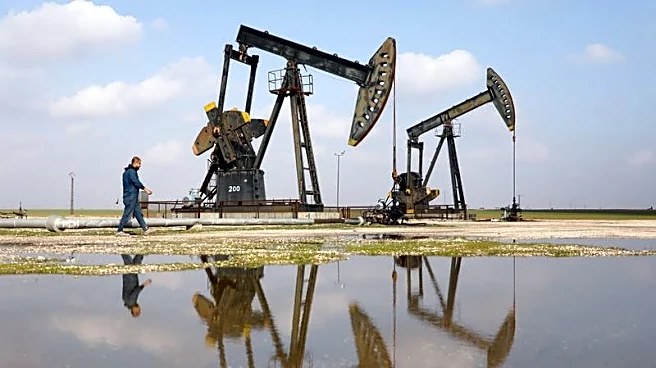
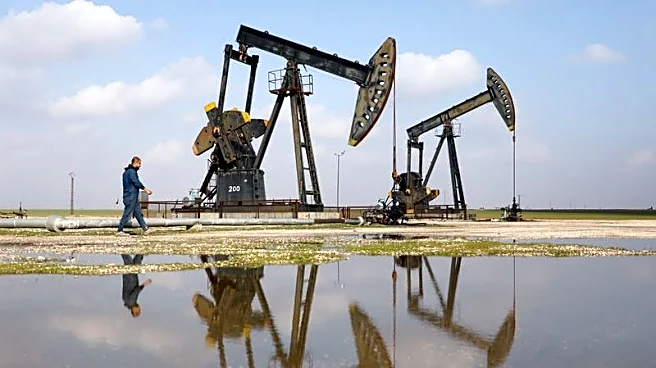
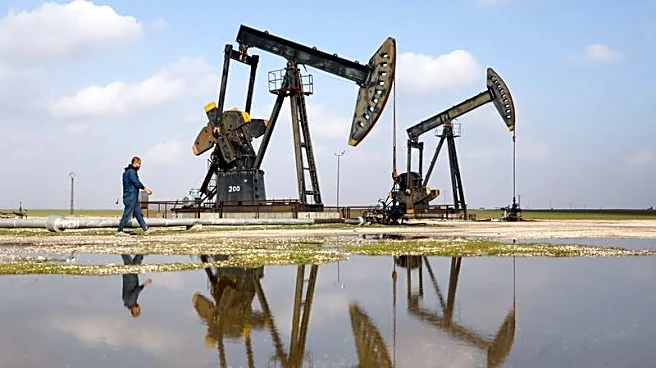
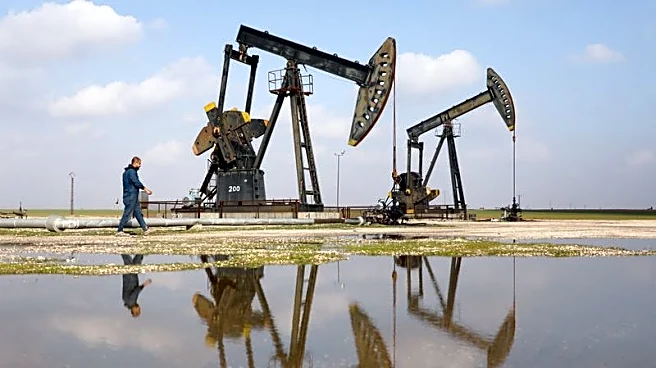
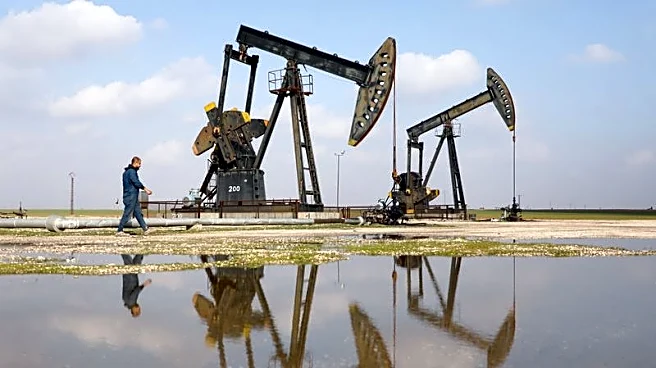
On August 2, 2026, the Organization of the Petroleum Exporting Countries (OPEC) and its allies, collectively known as OPEC+, announced a production increase of 188,000 barrels per day starting in September 2026. This decision was made during a virtual
meeting involving key member countries such as Saudi Arabia, Russia, Iraq, Kuwait, Kazakhstan, Algeria, and Oman. The increase marks the sixth consecutive monthly rise in production, completing the group's planned return of voluntarily withheld barrels to the market. The move is part of a broader strategy to support oil market stability and is in line with the additional voluntary adjustments announced in April 2023. The Joint Ministerial Monitoring Committee (JMMC) will oversee the implementation of these adjustments, ensuring compliance with the Declaration of Cooperation.
Why It's Important?
The decision by OPEC+ to increase oil production is significant for global energy markets, particularly as it aims to stabilize oil prices and supply. This move could have a substantial impact on the U.S. economy, influencing fuel prices and potentially affecting inflation rates. By increasing production, OPEC+ is responding to global demand and attempting to prevent market volatility. This decision also reflects the ongoing efforts of oil-producing nations to balance their economic interests with global market needs. For the U.S., which is a major consumer of oil, stable prices can lead to more predictable costs for businesses and consumers, potentially supporting economic growth.
What's Next?
OPEC+ plans to continue monitoring market conditions with monthly meetings, the next of which is scheduled for September 6, 2026. These meetings will allow the group to assess the impact of their production adjustments and make further decisions as necessary. The ongoing dialogue among member countries suggests a commitment to maintaining market stability. Stakeholders, including U.S. policymakers and energy companies, will likely keep a close watch on these developments, as any changes in production levels could influence domestic energy strategies and economic policies.