




What's Happening?
Wildfire veterans are expressing concerns over the federal government's aggressive fire suppression tactics, which they believe could endanger firefighters amid extreme fire conditions. The Trump administration's directive for a 'full suppression' strategy
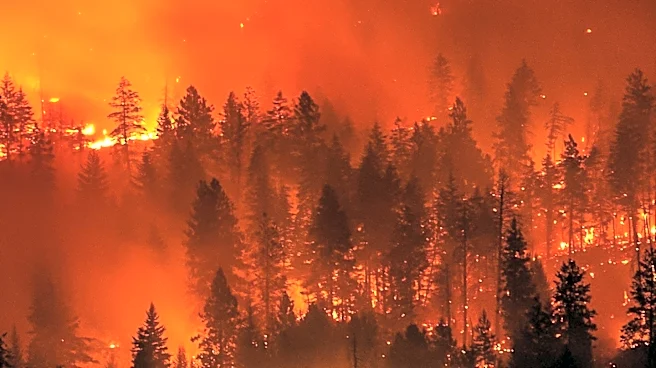
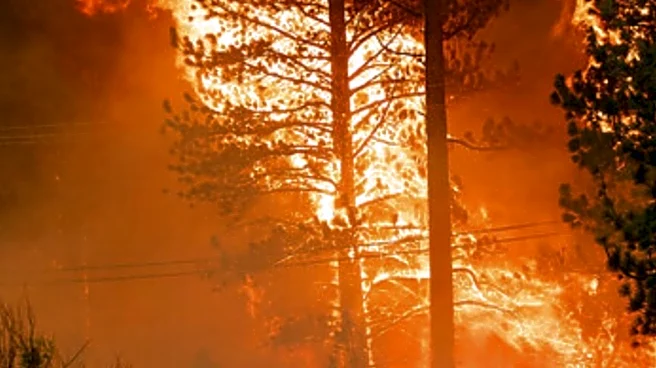
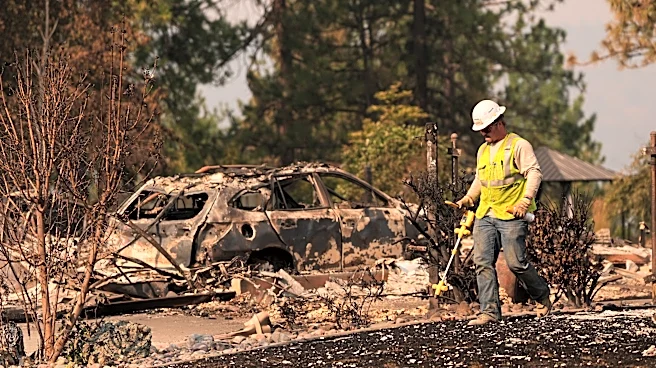
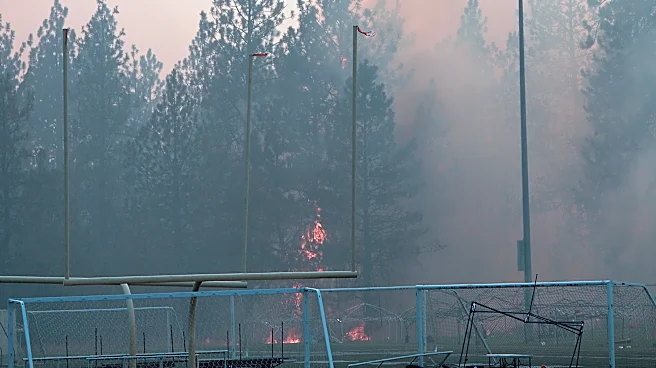
has been criticized for potentially pressuring crews to engage in risky operations. This approach is reminiscent of the outdated '10 a.m. policy' that aimed to suppress all fires by the morning after they were reported. Recent incidents, including a devastating wildfire in Spokane, Washington, highlight the dangers of such tactics. The fire destroyed over 600 structures and forced 60,000 residents to evacuate. Despite no reported deaths, the situation underscores the challenges faced by fire crews in managing fast-moving blazes.
Why It's Important?
The federal government's fire suppression strategy has significant implications for firefighter safety and the management of wildfires across the U.S. Critics argue that the emphasis on aggressive tactics could lead to unnecessary risks and potential loss of life. The policy also overlooks the ecological benefits of allowing some fires to burn under controlled conditions, which can reduce the risk of catastrophic blazes in the future. The approach reflects broader challenges in balancing immediate fire suppression with long-term forest management and climate adaptation strategies. The ongoing debate highlights the need for policies that prioritize both safety and ecological sustainability.
What's Next?
As the wildfire season progresses, federal and state agencies will need to reassess their strategies to ensure firefighter safety and effective fire management. This may involve revisiting the 'full suppression' policy and considering more flexible approaches that account for ecological benefits and safety concerns. Ongoing investigations into recent incidents, such as the Colorado tragedy that resulted in firefighter deaths, will provide insights into the effectiveness and risks of current tactics. The outcomes of these evaluations could lead to policy adjustments and improved training for fire crews, aiming to enhance safety and resilience in the face of increasing wildfire threats.