






What's Happening?
The Palo Alto City Council has unanimously approved an eight-story housing complex at 762 San Antonio Road, which will feature 228 new homes. This approval comes as the city aims to transform the historically commercial San Antonio Road corridor into
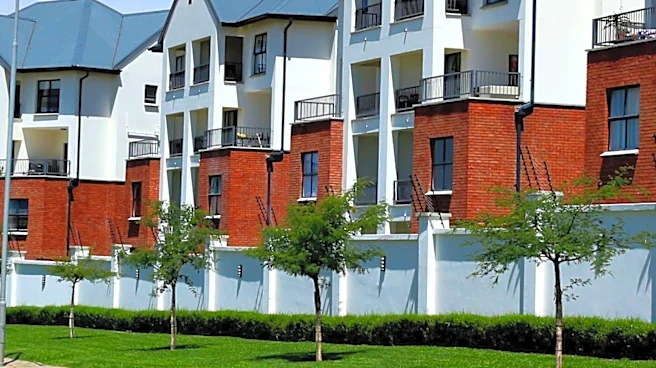
a residential neighborhood. The developer, Acclaim Companies, utilized new state laws that limit local officials' ability to reject proposals or subject them to local zoning laws concerning height and density. This expedited approval process was largely due to the city not having a compliant housing planning document with the state between January 2023 and August 2024, which allowed developers to submit projects exceeding local zoning requirements under California's builder's remedy provision. The project includes amenities such as a courtyard, fitness centers, and outdoor gathering spaces, along with three stories of above-ground parking. The design was refined through two rounds of review at the Architectural Review Board, incorporating features like stepbacks on upper floors and more glass to mitigate the building's mass and enhance its residential appearance.
Why It's Important?
This approval underscores the significant impact of state housing laws on local control and urban development in California. The builder's remedy provision, which allows developers to bypass local zoning restrictions when a city lacks a state-certified Housing Element, effectively shifts power from local municipalities to the state in addressing housing shortages. While the project aligns with Palo Alto's broader vision for the San Antonio Road area, the council's limited ability to impose local zoning standards highlights a contentious issue between state mandates and local autonomy. This dynamic is crucial for understanding how housing policies are shaped and implemented across the state, influencing density, infrastructure, and community character. The project's approval also reflects a broader trend of converting commercial spaces into residential units to meet housing demands, potentially altering the economic and social fabric of urban corridors. The ongoing frustration expressed by council members regarding these state laws indicates a persistent tension that will likely continue to shape future development debates.
What's Next?
Following the City Council's approval, the developer, Acclaim Companies, anticipates that it will take more than two years to finalize project plans and secure financing before construction can commence. The city staff has been tasked with evaluating the feasibility of accelerating the implementation of bike lanes along San Antonio Road, as residents raised concerns about the safety of the corridor for increased pedestrian and bicycle traffic. This initiative aims to address infrastructure needs that arise from increased residential density, potentially decoupling bike lane development from the larger area plan, which is years away from final approval. The approval of this project is part of a larger trend, with other dense housing projects in the pipeline for San Antonio Road, indicating a continued transformation of the area. Future developments will likely continue to navigate the balance between state housing mandates and local community concerns regarding infrastructure, traffic, and quality of life.
Beyond the Headlines
The approval of this housing complex delves into the complex interplay between state-level policy objectives and local community concerns. While state laws aim to alleviate California's severe housing crisis by promoting denser development, they often clash with local desires for maintaining community character, managing infrastructure, and preserving local decision-making. The concept of 'local control' is a deeply ingrained value, and its erosion through state mandates can lead to significant public discontent and political friction. This situation also raises questions about the long-term sustainability of rapid urbanization without commensurate infrastructure development, such as adequate transportation and public services. The shift from commercial to residential use in areas like San Antonio Road could redefine urban living, creating more walkable, mixed-use communities but also posing challenges related to traffic congestion, public space, and the integration of new residents into existing social structures. The ongoing debate over builder's remedy projects highlights a fundamental tension in urban planning: how to balance the urgent need for housing with the desire for thoughtful, community-driven development.