







What's Happening?
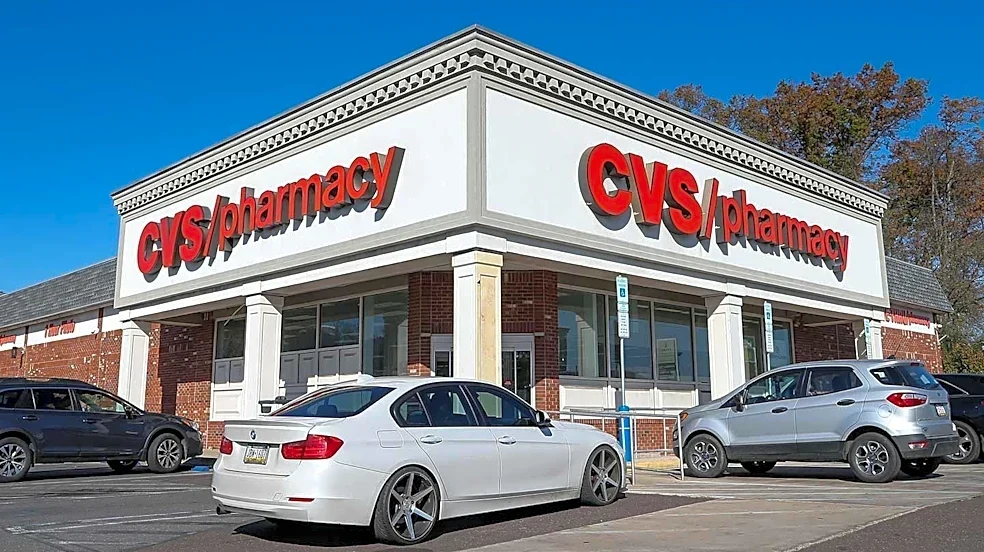
CVS Pharmacy Inc. and its related corporate entities have agreed to pay $315 million to resolve allegations of illegally filling prescriptions for opioids and other controlled substances nationwide from October 17, 2013, through December 2, 2025. Federal
officials announced that the settlement addresses claims that CVS violated the Controlled Substances Act by improperly dispensing prescriptions and subsequently violated the False Claims Act by seeking payment for these invalid orders from Medicare and other federal healthcare programs. The government's complaint, filed in the U.S. District Court for the District of Rhode Island, alleged that CVS knowingly dispensed controlled substances lacking legitimate medical purpose, including excessive quantities of opioids, early refills, and 'trinity' combinations (an opioid, benzodiazepine, and muscle relaxant). Furthermore, CVS pharmacists allegedly filled prescriptions from 'pill mill' prescribers despite clear warning signs. These violations were reportedly driven by corporate-imposed performance metrics, incentive compensation, and staffing policies that prioritized profits over safety, with allegations that CVS failed to employ sufficient pharmacists and prevented them from alerting colleagues about problematic prescribers.
Why It's Important?
This settlement is a significant development in the U.S. effort to combat the opioid epidemic, holding a major pharmacy chain accountable for its role in the crisis. The allegations highlight how corporate practices, such as performance metrics and staffing policies, can potentially compromise patient safety and legal compliance in the pharmaceutical industry. The resolution underscores the importance of pharmacies maintaining robust compliance systems to identify and prevent the unlawful dispensing of controlled substances. Associate Attorney General Stanley E. Woodward Jr. emphasized that the settlement makes Americans safer by holding 'bad actors' accountable. The case also originated from a whistleblower lawsuit, demonstrating the critical role individuals can play in uncovering and addressing systemic issues within large corporations, ultimately protecting public health and federal healthcare programs from fraudulent activities.
What's Next?
As part of the resolution, CVS is mandated to implement additional safeguards to ensure that prescriptions for opioids and other controlled substances are dispensed only when medically appropriate. These remedial measures include proactive monitoring of opioid prescribing patterns, which Assistant Attorney General Brett A. Shumate of the Justice Department's Civil Division stated would provide critical protections for patients and federal healthcare programs. CVS has also entered into a memorandum of agreement with the Drug Enforcement Administration (DEA), requiring the establishment of a reporting hotline for employees and the public, proactive monitoring of pharmacy dispensing patterns, and a process to evaluate prescribers suspected of illegal activity. The Department of Justice has affirmed its commitment to continuing efforts to prevent the unlawful dispensing of opioids, aligning with the administration's recently launched Task Force to Eliminate Fraud and the National Fraud Enforcement Division.
Beyond the Headlines
The CVS settlement extends beyond financial penalties, signaling a broader shift in accountability for corporations in the ongoing opioid crisis. The focus on corporate-imposed performance metrics and staffing policies as contributing factors to illegal dispensing raises ethical questions about the balance between profit motives and public health responsibilities within the pharmaceutical retail sector. This case could set a precedent for increased scrutiny of internal corporate policies across the healthcare industry, potentially leading to more stringent regulations and oversight regarding prescription practices. The emphasis on proactive monitoring and reporting mechanisms aims to foster a culture of compliance and transparency, moving towards a system where pharmacists are empowered to prioritize patient safety without fear of corporate repercussions. This development could also encourage more whistleblowers to come forward, further strengthening enforcement efforts against illicit drug dispensing practices.