








What's Happening?
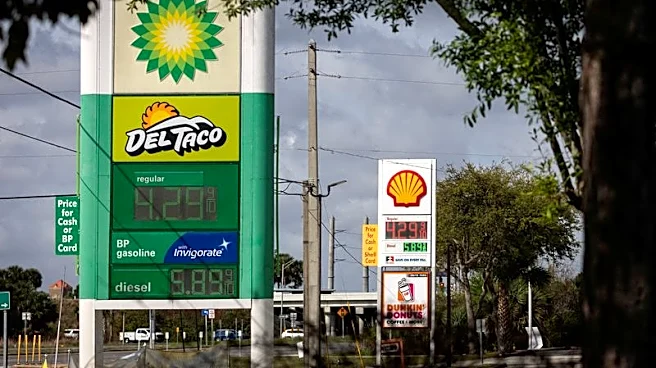
In April, the U.S. inflation rate surged to 3.8% year-over-year, largely due to rising gas prices amid the Iran conflict, according to the Bureau of Labor Statistics. The Consumer Price Index (CPI) increased by 0.6% on a seasonally adjusted basis, with
energy prices accounting for over 40% of the monthly increase. The shelter and food indexes also saw significant rises, contributing to the overall inflationary pressure. Core inflation, excluding food and energy, rose by 2.8% over the year. The inflation report highlights the financial strain on employees, as real average hourly earnings decreased by 0.5% from March to April.
Why It's Important?
The rising inflation rate poses challenges for both employees and employers in the U.S. economy. As gas prices increase, transportation and logistics costs rise, leading to higher prices for a wide range of products and services. This situation places additional financial pressure on workers, potentially affecting their financial confidence and well-being. Employers may need to consider offering financial benefits or commuter perks to support their employees. The persistent high costs and economic uncertainty could also influence consumer spending and business operations, impacting overall economic growth.
What's Next?
Employers may need to explore ways to mitigate the impact of rising costs on their workforce, such as offering financial assistance or adjusting compensation packages. Policymakers will likely continue to monitor inflation trends and consider measures to address the economic challenges posed by the Iran conflict and its impact on energy prices. The Federal Reserve's approach to interest rates will be closely watched, as inflationary pressures may influence future monetary policy decisions.