





What's Happening?
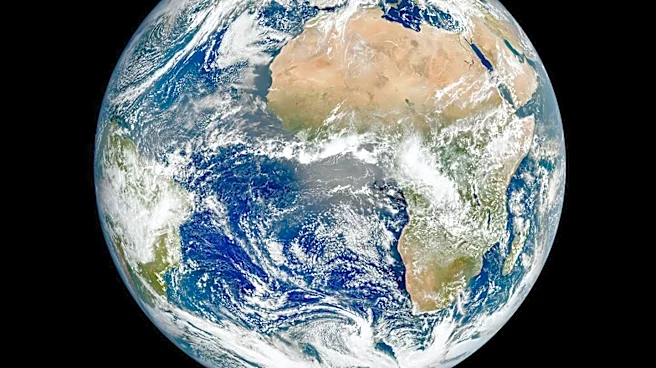
Climate change is increasingly impacting public health systems across Africa, with a significant rise in vector-borne and waterborne diseases, malnutrition, and exposure to extreme heat. Despite these challenges, less than five percent of climate finance
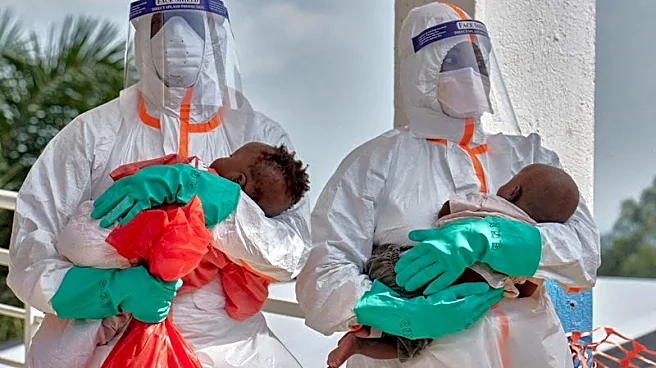
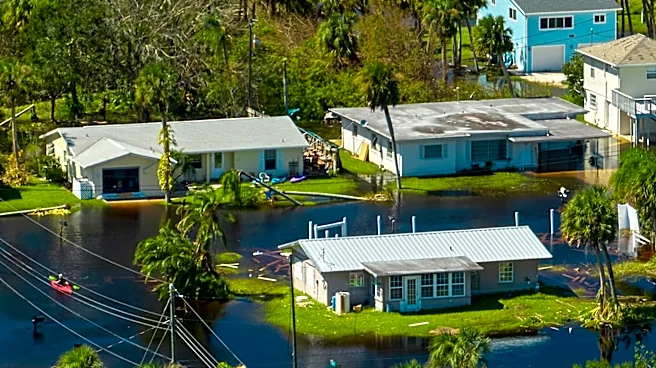
from multilateral institutions is directed towards public health. Health advocates, including Friday Phiri from Amref Health Africa, argue that climate finance has traditionally focused on infrastructure, renewable energy, and agricultural adaptation, neglecting the critical need for resilient health systems. This funding gap leaves many countries unprepared for the health impacts of climate change, as hospitals and clinics face damage from floods, and healthcare workers are strained by disease outbreaks. The call is for a shift in climate finance priorities to include investments in climate-resilient health infrastructure, disease surveillance, and community health programs.
Why It's Important?
The inadequate allocation of climate finance to health systems poses a significant risk to public health, particularly in regions like Africa where climate-related emergencies are becoming more frequent. The lack of investment in health infrastructure and preparedness can lead to increased human and economic costs, as health systems struggle to respond to climate-driven emergencies. By prioritizing health in climate finance, countries can better protect vulnerable populations, reduce the burden on healthcare systems, and prevent avoidable loss of life. This shift in focus is crucial for building resilience against future climate shocks and ensuring that health systems can withstand the growing threats posed by climate change.
What's Next?
As governments develop future climate strategies and negotiate access to international climate finance, there is a growing call for a fundamental shift in priorities. Health advocates emphasize that climate finance should not only focus on reducing emissions and financing renewable energy projects but also on protecting people from the health consequences of climate change. Investments in resilient hospitals, climate-informed disease surveillance, and emergency preparedness are essential to prevent long-term economic costs and enhance the capacity of health systems to manage climate-related emergencies.
Beyond the Headlines
The neglect of health systems in climate finance allocation highlights a broader issue of how climate change is often viewed primarily as an environmental or economic challenge, rather than a public health crisis. This perspective needs to change, as the health impacts of climate change are becoming increasingly evident. By recognizing healthcare as a form of climate adaptation, governments and financing institutions can better support communities in withstanding future climate shocks. This approach not only addresses immediate health threats but also contributes to long-term resilience and sustainability.