




What's Happening?
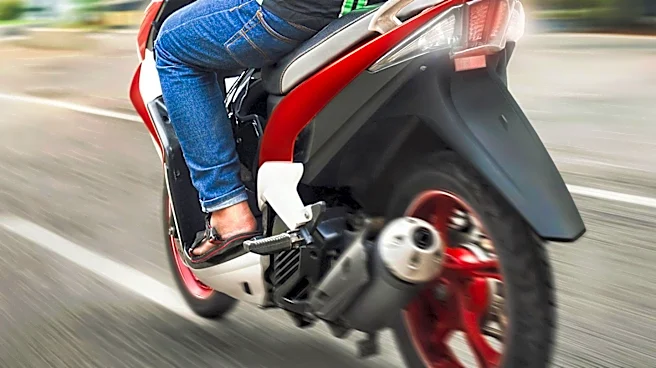
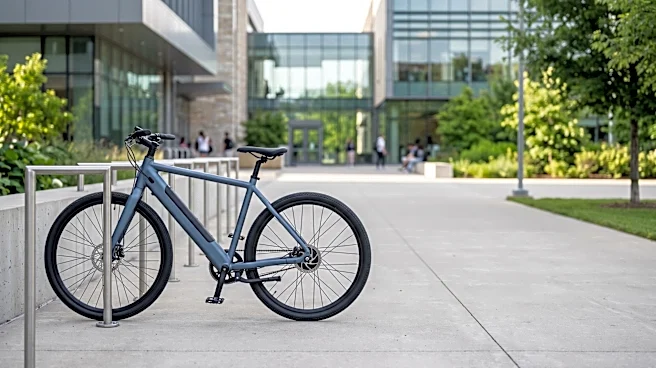
Orange County Public Schools are implementing significant changes to their policy regarding e-bikes and e-scooters on school property, effective Tuesday. Following a grace period, only students possessing a valid driver’s license or learner’s permit will
be permitted to bring these electric vehicles onto school grounds. The Orange County School Board approved this new regulation in July after extensive public discussions that included input from both parents and students. This policy aims to regulate the use of e-bikes and e-scooters, which have become increasingly popular among students for commuting to school.
Why It's Important?
This new policy by Orange County Public Schools is important as it addresses growing concerns related to student safety and campus management concerning e-bikes and e-scooters. The requirement for a driver's license or learner's permit suggests an effort to ensure that students operating these vehicles possess a basic understanding of road rules and safety, potentially reducing accidents on school property and surrounding areas. This move could also influence how other school districts across the nation approach the regulation of personal electric vehicles, setting a precedent for balancing student transportation needs with safety protocols. For students, it means a change in their commuting habits, potentially requiring them to find alternative transportation if they do not meet the new criteria. For parents, it may necessitate discussions about obtaining permits or finding other ways for their children to get to school, highlighting the evolving challenges schools face with new technologies.
What's Next?
Starting Tuesday, students in Orange County Public Schools who do not possess a valid driver’s license or learner’s permit will no longer be able to bring e-bikes or e-scooters onto school property. This will likely lead to an immediate shift in transportation methods for some students, potentially increasing reliance on school buses, carpools, or traditional bicycles. School administrators will be tasked with enforcing the new policy, which may involve checking permits or monitoring vehicle storage areas. There could be initial challenges as students and families adjust to the new rules, potentially leading to discussions about the policy's effectiveness and any unforeseen impacts. The school board will likely monitor the implementation and its effects on student safety and campus operations, possibly leading to further adjustments or clarifications in the future based on feedback and observed outcomes.
Beyond the Headlines
The implementation of this policy reflects a broader societal trend of adapting regulations to new technologies, particularly in environments like schools where safety is paramount. The rise of e-bikes and e-scooters presents both opportunities for convenient transportation and challenges related to speed, traffic, and rider experience. This policy highlights the ongoing tension between promoting independent mobility for students and ensuring a safe environment for all. It also touches upon the varying legal frameworks for operating such devices, as some states or municipalities may not require licenses for e-bikes or e-scooters on public roads, creating a discrepancy with school-specific rules. This could spark further debate on uniform regulations for these vehicles, especially concerning minors. Ultimately, this decision by Orange County Public Schools is part of a larger conversation about integrating new personal mobility devices safely into daily life, particularly for younger populations, and the responsibilities that come with their use.