





What's Happening?
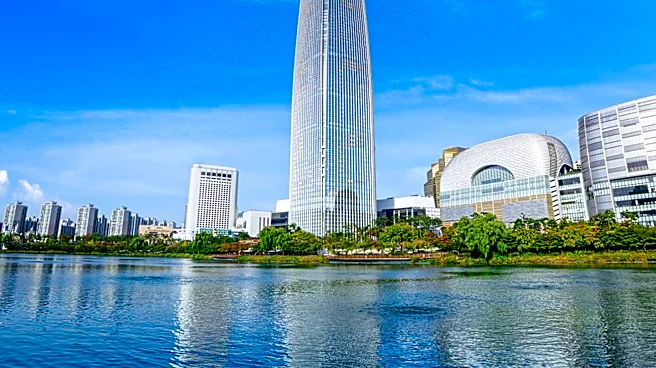
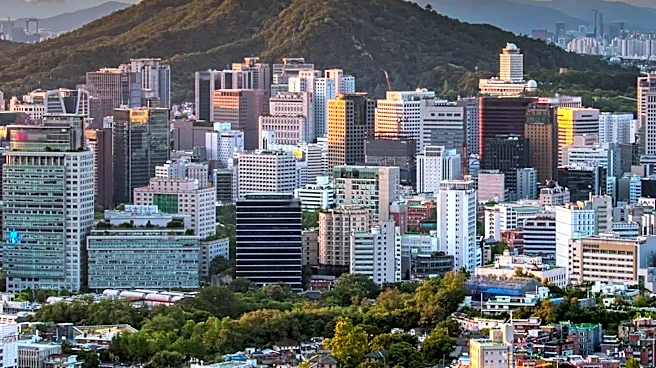
South Korea has recorded its highest temperature since records began, reaching 42.5°C in the southeastern city of Yangsan. This extreme heat is part of a broader pattern of rising temperatures and prolonged heatwaves affecting various parts of the world,
including Europe. The Korea Meteorological Administration has issued emergency heat wave alerts, advising the public to avoid outdoor activities and seek air-conditioned environments. The heatwave has also impacted local events, such as the cancellation of a professional baseball game in Changwon due to safety concerns.
Why It's Important?
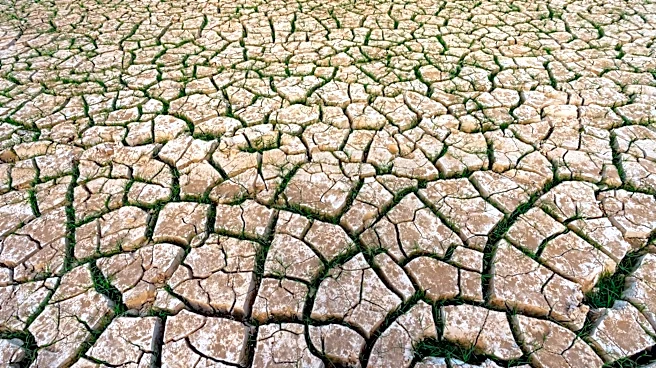
The record-breaking temperatures in South Korea highlight the increasing frequency and intensity of heatwaves globally, a trend linked to climate change. These extreme weather events pose significant risks to public health, infrastructure, and the environment. They can lead to increased mortality rates, strain on energy resources, and disruptions in daily life. The situation underscores the urgent need for adaptive measures and policies to mitigate the impacts of climate change and protect vulnerable populations.
What's Next?
As climate change continues to drive extreme weather patterns, countries may need to implement more robust heatwave response strategies, including improved public warning systems and infrastructure adaptations. International cooperation and policy frameworks will be essential to address the root causes of climate change and enhance resilience against its impacts.