


What's Happening?
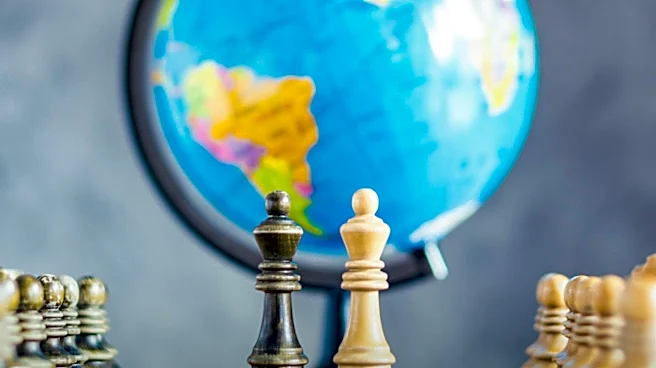
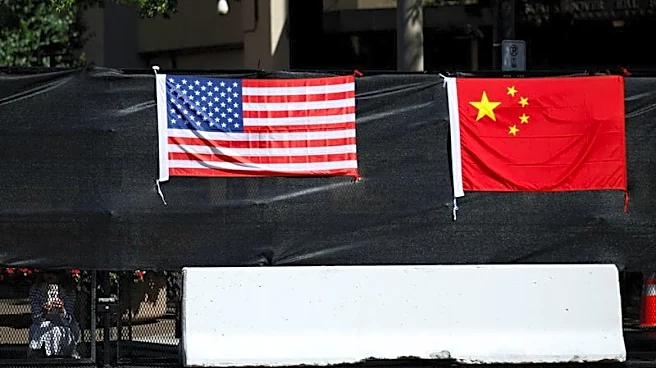
The world is experiencing a significant shift from a U.S.-led unipolar order to an emerging multipolar system, where no single power holds uncontested authority over international rules, institutions, and norms. This transition is characterized by the
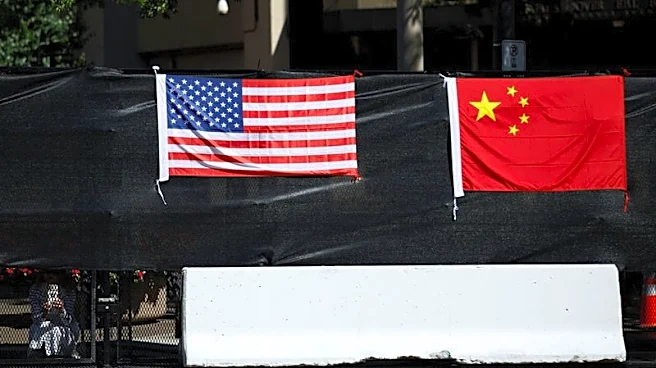
rise of China and the increasing influence of middle powers such as Türkiye, Singapore, and India, which are aligning with different global actors based on their interests. UN Secretary-General António Guterres noted that while the world is moving towards multipolarity, it has not fully arrived yet. This evolving landscape suggests a future where conflict, both direct and indirect, may become more persistent, with numerous states hedging between major powers like Washington, Beijing, and Moscow. The concept of deglobalization is also being discussed, though the U.S. dollar's continued dominance as the world's currency indicates that a complete reversal of globalization is not yet a megatrend. Additionally, private companies are increasingly influencing geopolitics, exemplified by entities like Elon Musk's Starlink supporting Ukraine's defense.
Why It's Important?
This shift to a multipolar world order has profound implications for U.S. foreign policy, economic strategy, and global influence. The erosion of U.S. unipolar authority means that the United States can no longer unilaterally dictate international affairs, requiring a more flexible and collaborative approach to diplomacy and security. The rise of other powers challenges U.S. economic dominance and could lead to new trade alliances and financial systems that bypass traditional U.S.-centric structures. For U.S. industries, this could mean navigating a more complex global market with diverse regulatory environments and increased competition from emerging economies. The potential for more persistent conflicts in a multipolar world necessitates a re-evaluation of U.S. defense strategies and alliances. Furthermore, the growing influence of private companies in geopolitical matters introduces new challenges for governance and accountability, potentially blurring the lines between state and corporate power in international relations.
What's Next?
In the evolving multipolar landscape, states will need to adopt more flexible strategies in choosing partners and development paths. The increasing complexity of global dynamics suggests that traditional alliances may be re-evaluated, and new forms of cooperation and competition will emerge. The role of technology, particularly embedded AI, is expected to further reshape the financial sector and international relations, requiring tailored policy responses to address varied structural realities. The ongoing debate about deglobalization and the future of the U.S. dollar's role as the dominant currency will continue to unfold, influencing global economic stability. The international community will likely focus on developing new frameworks for security and cooperation that accommodate the interests of a wider array of powerful states and non-state actors, moving away from a single-power-centric model.
Beyond the Headlines
The transition to a multipolar world order extends beyond geopolitical power dynamics, touching upon fundamental ethical and cultural dimensions. The rise of diverse centers of power could lead to a broader acceptance of different governance models and cultural values on the global stage, potentially challenging the universal applicability of Western liberal democratic norms. This shift might foster a more pluralistic international system, but it also carries the risk of increased ideological friction and a fragmentation of international law and institutions. The growing influence of private companies in geopolitics raises ethical questions about corporate responsibility, accountability, and the potential for private interests to override national or collective good. The long-term implications could include a redefinition of sovereignty, as states grapple with the power of non-state actors and the need to adapt to a world where influence is distributed among many different entities, not just traditional nation-states.