
What's Happening?
As electricity prices increase and rooftop solar subsidies decrease, some U.S. homeowners and renters are installing DIY solar panels on balconies and backyards without utility permission. Known as 'plug-in
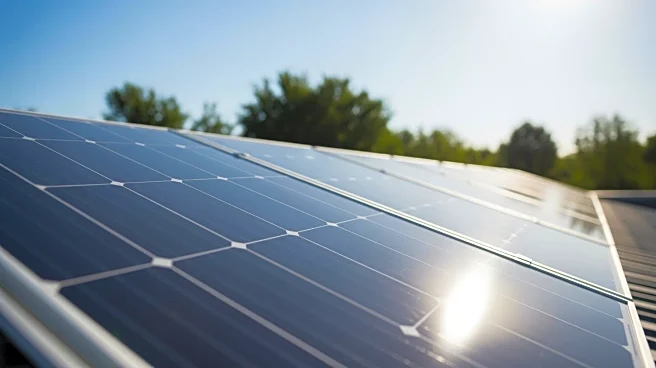
solar,' these systems typically consist of two to four panels that plug into wall outlets, costing around $2,000. They can power household electronics and potentially save several hundred dollars annually on utility bills. Despite their benefits, only about 5,000 systems have been installed in the U.S. due to safety standard concerns and utility requirements. However, states like Utah have enacted laws allowing these systems without utility approval, and similar legislation is being considered in New York and California.
Why It's Important?
The adoption of plug-in solar systems represents a shift towards more accessible renewable energy solutions for individuals, particularly in states with high electricity costs. This movement could democratize solar energy, allowing more people to reduce their carbon footprint and energy expenses. The potential legalization in major markets like California could significantly boost the market, encouraging manufacturers to invest in this technology. However, utilities express concerns about grid stability and safety, highlighting the need for standardized regulations to ensure safe integration into the power grid.
What's Next?
If California and other states pass legislation supporting plug-in solar, it could lead to widespread adoption and innovation in the sector. Utilities may need to adapt by developing new safety standards and grid management strategies. Additionally, the introduction of certification programs for these systems could address safety concerns, making them more appealing to consumers and regulators alike. The outcome of these legislative efforts will likely influence the future landscape of residential solar energy in the U.S.